English
 Français
 Deutsch
 Русский
 Türkçe
 Español
 لالعربية
 Português
 Italiano
 ไทย

آلة التنظيف بالليزر النبضي: لماذا تحمي النبضات المعادن الرقيقة
release time:
2026-10-15
لماذا تحمي آلة التنظيف بالليزر النبضي الصفائح الرقيقة والأجزاء المؤكسدة والقوالب، وكيفية ضبط عرض النبضة والسرعة، ومتى يتفوق التنظيف المستمر.
أرسل لنا متجر قوالب صورة الشتاء الماضي لقطعة إدخال من الألومنيوم كانوا قد نظفوها بمنظف شعاع ثابت أرخص. عادت القطعة الإدخال خالية من الصدأ، وكان ذلك تقريبًا الشيء الوحيد الذي سار على ما يرام. تحول الوجه المصقول إلى رمادي باهت وارتفعت إحدى الحواف.
لم يكن هناك خطأ في الماكينة. كان نوع الضوء خاطئًا لذلك الجزء. على المعادن الرقيقة أو المصقولة أو المطلية، الفرق بين عمل مكتمل وقطعة تالفة هو مدة بقاء الشعاع مشتعلًا.
ما الذي يفعله النبض فعليًا
أ
ماكينة التنظيف بالليزر النبضي
لا تطلق شعاعًا ثابتًا. بل تطلق آلاف الدفعات القصيرة كل ثانية، وبين تلك الدفعات يكون الضوء مطفأً.
تلك الفجوة هي الحيلة كلها. تحصل الحرارة من دفعة واحدة على وقت لتنتشر في المعدن وتبتعد قبل أن تصل الدفعة التالية، لذا لا يتراكم على السطح أبدًا درجة الحرارة التي يخلقها الشعاع الثابت. ببساطة: التنظيف المستمر يطهو السطح، أما التنظيف النبضي فيرفع طبقة الصدأ أو الطلاء ويترك المعدن تحتها سليمًا.
وهو ليس فرقًا صغيرًا. على لوح بسماكة 1 مم يمكن للشعاع الثابت أن يُدخل حرارة كافية لثني الصفيحة خلال ثانية أو ثانيتين من الثبات. نفس اللوح عند تنظيفه بنبضات قصيرة بنفس القدرة المتوسطة يخرج مستقيمًا، لأن الطاقة تصل على شكل قطع وليس كتيار.
عرض النبضة والتردد بالأرقام الواضحة
| نطاق عرض النبضة | ما يزيله | الأسطح التي يناسبها |
|---|---|---|
| نانوثانية، من عشرات إلى مئات النانوثانية | أغشية رقيقة بميكرون: أكسيد، قشور ليزر، بقايا طلاء | ألومنيوم مؤكسد، صفائح أقل من 1.5 مم، أسطح قوالب مصقولة |
| ميكروثانية، بضع ميكروثوانٍ | الصدأ، القشور الدرفلة، الطلاء الرقيق | تنظيف الورشة العام على الفولاذ بسمك 2 إلى 6 مم |
| ميلي ثانية وأطول | قشور سميكة، طلاء متعدد الطبقات، كربون ثقيل | الألواح السميكة والمسبوكات، حيث لا تهم الحرارة |
معظم الأجهزة المحمولة تعمل في نطاق الميكروثانية وتتيح لك الانزلاق نحو الطرف القصير للأعمال الدقيقة. لذا فإن السؤال الذي يجب طرحه على المورد ليس القوة الكهربائية وحدها. اسأل عن عرض النبضة الذي يوفره الجهاز فعليًا، وما إذا كان الإعداد يغيّر النبضة نفسها أم يخفض متوسط القدرة فقط. بعض الأجهزة تعلن عن وضع دقيق لا يفعل شيئًا سوى تخفيت الشعاع.
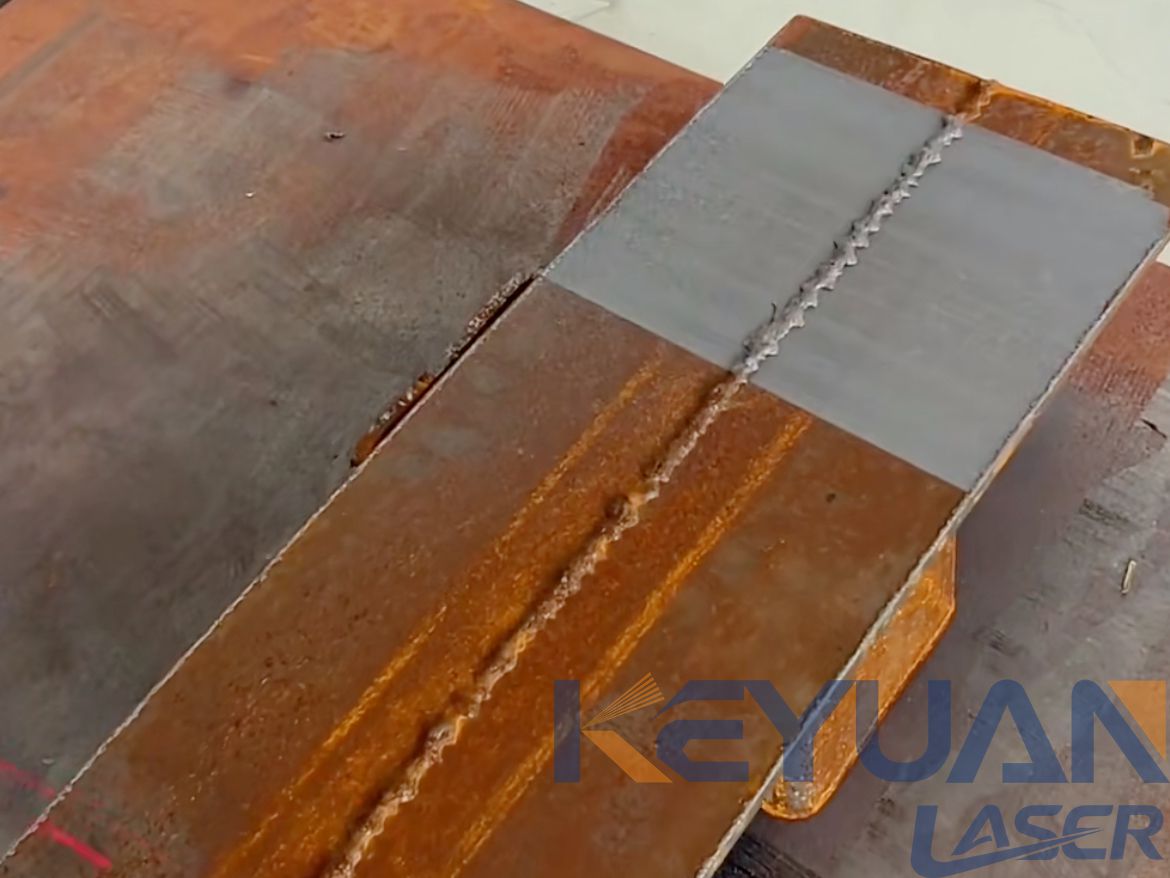
حيث يتفوق الجهاز النبضي
خمس مهام تتكرر مرارًا وتكرارًا.
الصفائح التي يقل سمكها عن 1.5 مم تقريبًا، حيث يؤدي الشعاع الثابت إلى انحناء اللوح قبل زوال الصدأ. الألومنيوم المؤكسد والمطلي، حيث يجب رفع الطلاء قبل تسخين المعدن الأساسي. قوالب الحقن والعدد، حيث يكون الهدف من التنظيف هو الحفاظ على اللمعان. الأسطح المطلية بالكروم والمطليّة، حيث يمكن لثانية من الحرارة الثابتة أن تنفخ الطلاء. وتحضير اللحام على الأنابيب الرقيقة، حيث تحتاج إلى سطح نظيف دون إضعاف الجدار الذي ستلحمه.
في الخمس جميعًا، جهاز
آلة تنظيف بالليزر
تشغيل النبضات القصيرة ليس نسخة أبطأ من الأداة الصحيحة. إنها النسخة الوحيدة التي تُنهي المهمة مع بقاء القطعة ضمن التفاوتات المسموحة.
حيث تكون الموجة المستمرة الخيار الأفضل
| المهمة على أرضك | خيار أفضل | لماذا |
|---|---|---|
| قشور مطحنة سميكة على الألواح المدرفلة على الساخن | مستمر | تريد طاقة وسرعة، لا دقة عالية |
| صدأ ثقيل على 3 مم وما فوق | مستمر، أو نبضة طويلة | طاقة أكبر في الثانية تعني تمريرات أقل |
| لوح لامع بسماكة 1 مم مع أكسيد خفيف | نبضي | تتسرب الحرارة بين النبضات، فيبقى اللوح مستوياً |
| ألومنيوم مؤكسد أو مطلي | نبضي | الطلاء يرتفع قبل أن يسخن المعدن الأساسي |
| سطح القالب أو القالب المصقول | نبضي | يحافظ على اللمعان ويتجنب الانصهار الدقيق |
| تحضير اللحام على الأنبوب الرقيق قبل الطلاء | نبضي | ينظف دون إضعاف الجدار |
النمط يستحق التذكر. الشعاع الثابت يفوز حيث يكون المعدن سميكًا بما يكفي لامتصاص الحرارة دون اكتراث، وحيث تريد إنهاء العمل بسرعة. النبضات تفوز حيث يكون المعدن رقيقًا أو لامعًا أو مطليًا أو مصقولًا، وهذا عادة يعني أن القطعة تستحق أكثر من الوقت الذي يوفره الشعاع الثابت.
That is also why both types get sold. A shop cleaning hot-rolled plate and a shop cleaning anodised housings are not doing the same job on different budgets. Where the work is mostly scale and paint on thick steel, a fixed-head
continuous laser cleaning
line is cheaper per square metre than any handheld unit, pulsed or not.
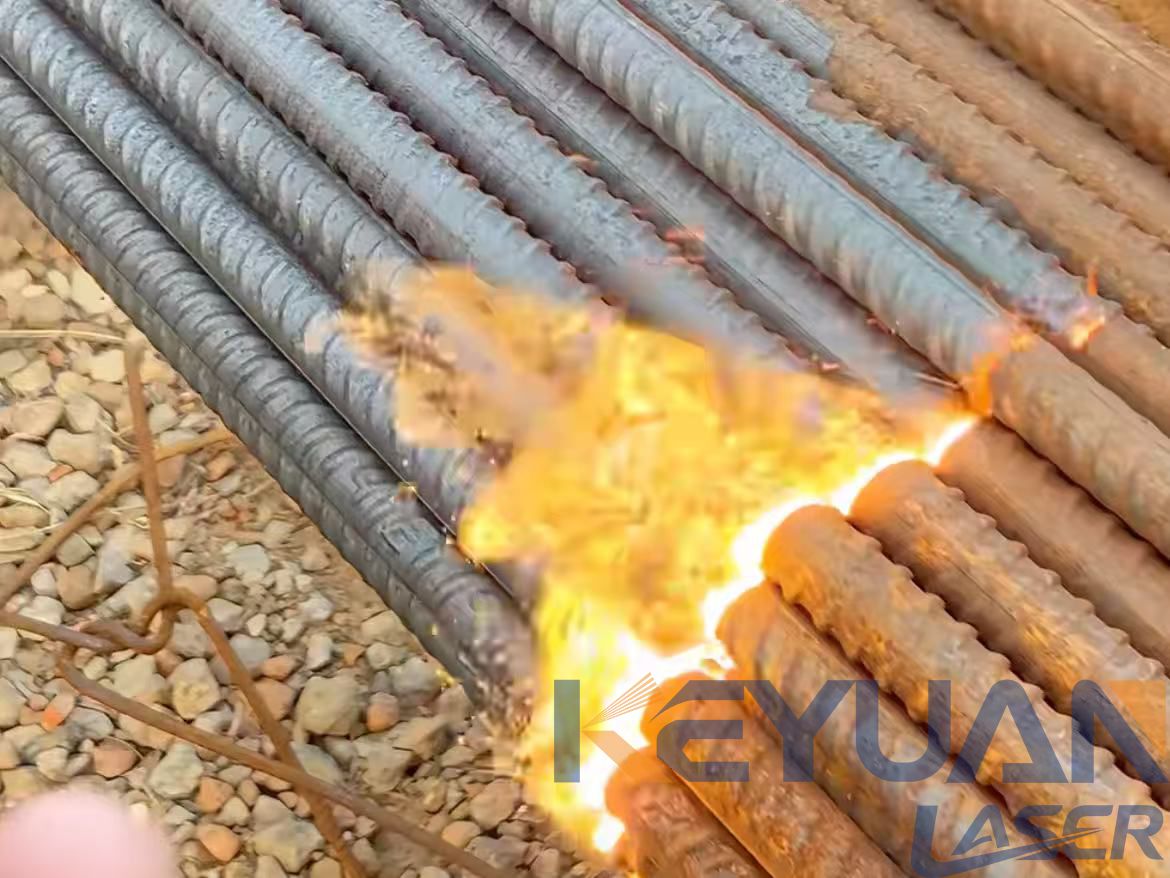
Settings to Start From
Start low, move fast, and raise the power only when the surface is genuinely stubborn.
A usable starting point on 2 to 3 mm steel is moderate power, a mid frequency and a travel speed around one to two metres a minute. If the metal stays clean, keep going. If it turns blue, straw or grey, you are heating the part rather than cleaning it, and the fix is to move faster or turn the power down rather than add another pass over the same spot.
Frequency is the setting most people misunderstand. Raising it means more pulses land on the same centimetre of surface, which means more overlap and more heat. Lower it for delicate parts. Travel speed does the same job from the other direction.
Test on scrap from the same batch as your part. Two sheets of the same grade can behave differently once one has been pickled and the other has not, and five minutes on an offcut is cheaper than a warped panel.
FAQ
Does pulsed cleaning remove metal along with the rust?
يزيل الطبقة التي تشير إليها، والنبض هو ما يمنعه من التعمق أكثر. الخطر الحقيقي ليس في النبض، بل في تثبيت المسدس دون حركة. أي رأس تنظيف يبقى في مكان واحد سيسخّن اللوح، سواء كان نابضًا أم لا، لذا حافظ على تحريكه.
هل يمكن لآلة واحدة أن تقوم بالتنظيف النبضي والمستمر معًا؟
العديد من الوحدات المحمولة باليد تتنقل بين الوضعين. اسأل عمّا يغيّره المفتاح فعليًا. إذا كان يخفض متوسط القدرة فقط، فأنت أمام مفتاح تعتيم وليس وضع تنظيف مختلف، وتبقى الأجزاء الحساسة معرّضة للخطر.
هل التنظيف النبضي أبطأ؟
على الترسبات السميكة، نعم، ولا مفر من ذلك، لأنك تقايض السرعة بالتحكم. أما على الأجزاء الرقيقة أو المطلية أو المصقولة فغالبًا ما يكون أسرع إجمالًا، لأنك تتوقف عن إتلاف القطع وعن الحاجة إلى خطوة تشطيب ثانية.
هل هو أعلى صوتًا؟
تصل النبضة كصدع حاد على السطح، وعلى المواد الصلبة تكون صاخبة بما يكفي لترغب في حماية الأذن حتى في مهمة قصيرة. التنظيف المستمر أكثر هدوءًا لكنه يضخ حرارة أكبر في القطعة، لذا تقايض مشكلة بأخرى.
النسخة المختصرة
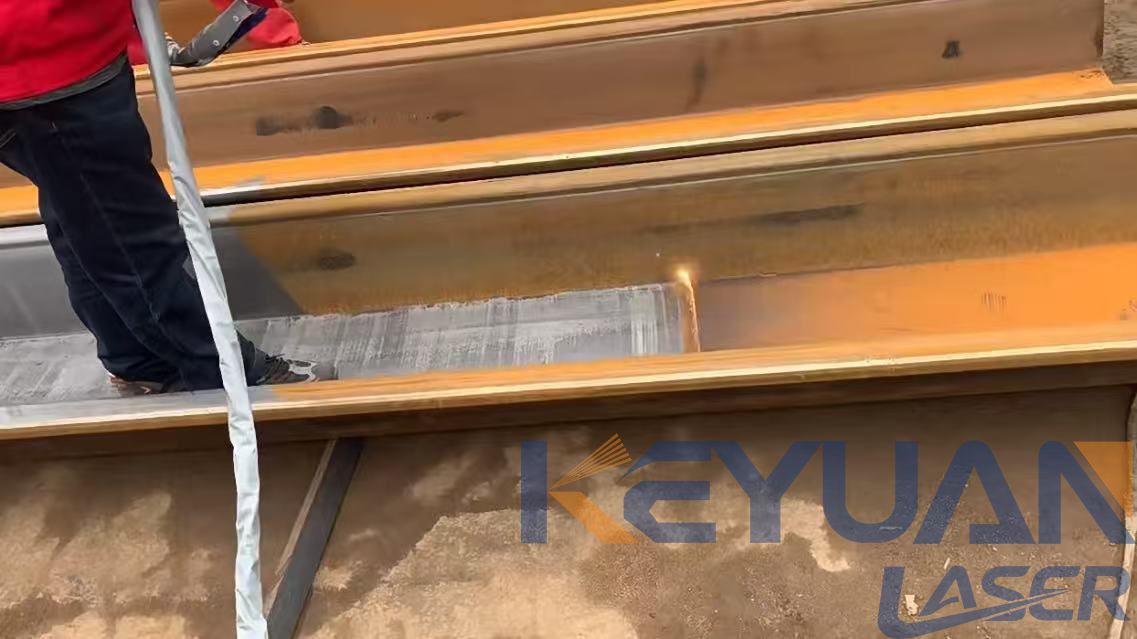
يوجد التنظيف النبضي من أجل القطع التي تكون الحرارة عدوًا لها. إذا كنت تنظف صفائح رقيقة، أو ألومنيوم مطلي أو مؤكسد، أو قوالب أو أسطحًا مطلية، فإن إعداد النبض هو ما يحافظ على صلاحية القطعة، وتأتي القوة الكهربائية في المرتبة الثانية.
إذا كان عملك عبارة عن صدأ وترسبات ثقيلة على صفائح ستقوم بطلائها على أي حال، فاشترِ خيار التنظيف المستمر وخذ السرعة. الخطأ الأكثر شيوعًا الذي نراه هو أن ورشة تشتري آلة واحدة لكلتا المهمتين وتتركها على الوضع المستمر لكل شيء، وهكذا ينتهي المطاف بقطعة حساسة في سلة الخردة مع سطح نظيف بشكل رائع.
وإذا كانت معظم أعمالك من الفولاذ السميك بدلًا من القطع الحساسة، فاطّلع على منشآت
إزالة الصدأ والطلاء
الثابتة قبل أن تشتري مسدسًا من الأساس.
label:
related news
آلة التنظيف بالليزر لبناء وإصلاح السفن
2026-10-17
آلة الحفر بالليزر للافتات: المواد وسير العمل
2026-10-17


البريد الإلكتروني:
الخط الساخن:
جميع الحقوق محفوظة © 2012-2026 كيوان ليزر