English
 Français
 Deutsch
 Русский
 Türkçe
 Español
 لالعربية
 Português
 Italiano
 ไทย

กำลังไฟเครื่องเชื่อมเลเซอร์: ต้องใช้กี่วัตต์
release time:
2026-10-13
คำนวณกำลังวัตต์ที่เครื่องเชื่อมเลเซอร์ต้องใช้จากเหล็กที่คุณเชื่อมจริง รวมถึงวิธีที่ระบบระบายความร้อน รอบการทำงาน และการประกอบชิ้นงานมีผลต่อคำตอบก่อนคุณซื้อ
คำถามแรกที่ผู้ซื้อเกือบทุกคนถามคือกี่วัตต์ และเป็นคำถามที่มักได้คำตอบแย่ที่สุด เพราะคำตอบที่ตรงไปตรงมาจะเริ่มต้นด้วยตัวเลขอีกตัว นั่นคือความหนาของชิ้นงานที่คุณเชื่อมบ่อยที่สุด
ถ้าตัวเลขนั้นถูกต้อง กำลังวัตต์ก็จะเลือกได้เอง แต่ถ้าผิด คุณจะซื้อเครื่องที่ไม่สามารถเจาะลึกถึงแนวเชื่อม หรือเครื่องที่เจาะทะลุแผ่นบางซึ่งเป็นงานส่วนใหญ่ของคุณ
วัตต์ไม่ใช่เรื่องทั้งหมด
กำลังไฟเป็นตัวกำหนดเพดานความลึกที่ลำแสงสามารถหลอมได้ในครั้งเดียว ส่วนปัจจัยอื่น ๆ ของเครื่องเป็นตัวตัดสินว่าคุณจะไปถึงเพดานนั้นได้หรือไม่
สิ่งที่สำคัญควบคู่กับกำลังวัตต์คือขนาดจุดโฟกัส ความเร็วในการเคลื่อนหัวเชื่อม และความแม่นยำในการวางแนวขอบทั้งสองข้าง เครื่อง 1500 W ที่มีจุดโฟกัสแน่นและมือที่นิ่ง ชนะเครื่อง 3000 W ที่ใช้พลังงานไปกับการให้ความร้อนช่องว่าง หากคุณยังไม่แน่ใจว่างานเชื่อมเลเซอร์เหมาะกับโรงงานของคุณหรือไม่ คำตอบที่ตรงไปตรงมาคือ การประกอบชิ้นงานมีผลต่อการตัดสินใจมากกว่ากำลังไฟ
สามระดับกำลังไฟแบบเข้าใจง่าย
| ระดับเครื่อง | ความหนาเหล็กที่เชื่อมได้ในครั้งเดียว | ความเร็วเคลื่อนที่ทั่วไป | ระบบระบายความร้อน |
|---|---|---|---|
| 1000 วัตต์ | สูงสุดประมาณ 1.5 มม. | ช้า ควบคุมได้ | ลม |
| 1500 วัตต์ | 1.5 ถึง 2.5 มม. | ปานกลาง | อากาศหรือน้ำสำหรับกะการทำงานยาว |
| 2000 W | 2.5 ถึง 3.5 มม. | เร็ว | น้ำ |
| 3000 W | 3.5 ถึง 5 มม. | เร็วที่สุด | น้ำ |
ตัวเลขเหล่านั้นตั้งอยู่บนสมมติฐานของการเชื่อมชนแบบสี่เหลี่ยมบนเหล็กกล้าคาร์บอนต่ำที่สะอาดและประกอบเข้าพอดี หากมีช่องว่าง สนิม หรือตะกรันรีดหนา เครื่องเดียวกันจะสูญเสียระยะการเชื่อมไปหนึ่งหรือสองมิลลิเมตร ซึ่งเป็นเหตุผลว่าทำไมผู้ซื้อที่อ้างความหนาถังจากแคตตาล็อกจึงมักผิดหวัง
สิ่งอื่นที่ควรสังเกตคือค่าใช้จ่ายเพิ่มเติมสำหรับระยะการเชื่อมที่มากขึ้นนั้นต่ำมากเมื่อเทียบกับราคาที่ต้องจ่ายในที่อื่น การเพิ่มกำลังเป็นสองเท่าจะเพิ่มปริมาณการใช้ไฟฟ้าและน้ำหนักของหัวเชื่อมเป็นประมาณสองเท่า และไม่ได้ช่วยอะไรเลยสำหรับงานแผ่นบาง
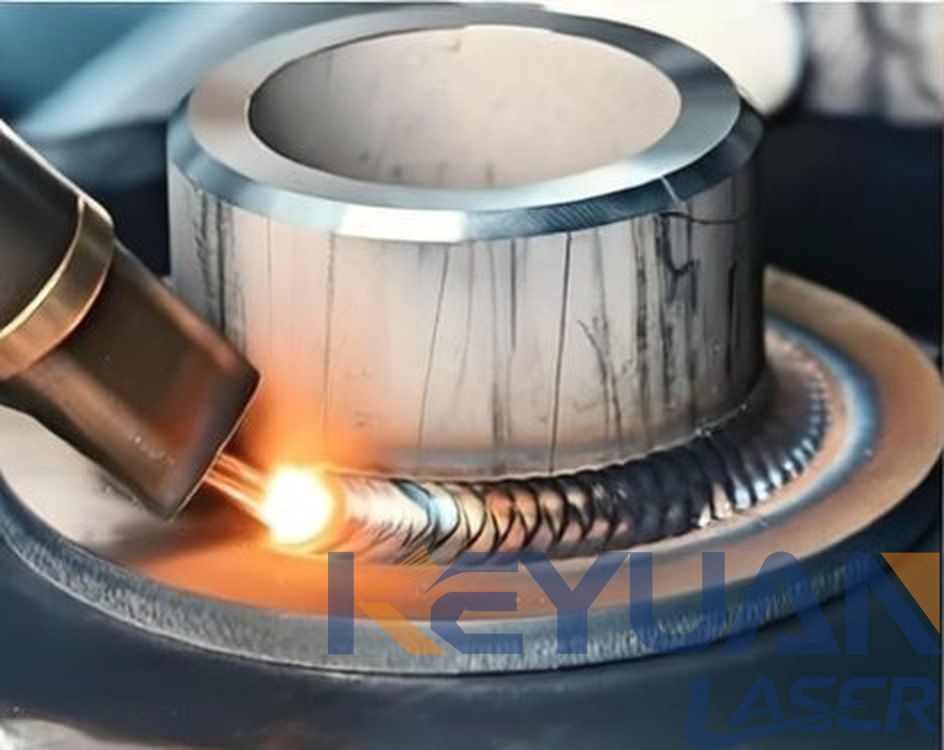
จับคู่ตัวเลขกับความหนาที่คุณเชื่อม
ดูกว่างานห้าสิบชิ้นล่าสุดของคุณก่อนที่จะดูสเปกชีต จัดเรียงตามความหนาของวัสดุและดูว่าน้ำหนักของงานอยู่ตรงไหน
ร้านงานโลหะแผ่นส่วนใหญ่พบว่าแปดสิบเปอร์เซ็นต์ของรอยเชื่อมอยู่ในช่วง 1 มม. ถึง 2 มม. นั่นคือช่วง 1500 W และนั่นคือเหตุผลที่เครื่องเชื่อมเลเซอร์แบบมือถือ 1500 W
เครื่องเชื่อมเลเซอร์แบบมือถือ
เป็นรุ่นที่เราจัดส่งมากที่สุด มันเชื่อมรอยต่อตู้ 1 มม. ด้วยความเร็วที่สบายและยังเชื่อมได้ถึง 2.5 มม. เมื่อมีชิ้นงานยึดเข้ามา
ภาพเปลี่ยนไปในร้านที่แตกต่างกัน หากคุณผลิตโครง เฟรม ถัง หรือชิ้นส่วนโครงสร้าง งานจะอยู่ที่ความหนา 3 มม. ขึ้นไป และเครื่องขนาด 2000 W หรือ 3000 W ก็ไม่ใช่ของฟุ่มเฟือยอีกต่อไป สำหรับชิ้นส่วนเหล่านั้น กำลังที่เพิ่มขึ้นช่วยให้เชื่อมทะลุได้ในครั้งเดียว และการเชื่อมครั้งเดียวคือหัวใจสำคัญ การเชื่อมสองครั้งทำให้คุณสูญเสียความเรียบเนียนสวยงามที่เป็นเหตุผลให้คุณสนใจการเชื่อมด้วยเลเซอร์ตั้งแต่แรก
ยังมีทางสายกลางที่น่าสนใจ ผู้ซื้อหลายรายเลือก
เครื่องเชื่อมเลเซอร์
ที่ตัดและทำความสะอาดได้ด้วย เพราะในงานผสมผสาน ฟังก์ชันทำความสะอาดช่วยประหยัดเวลามากกว่ากำลังที่เพิ่มขึ้น 500 W เสียอีก
ทำไมเครื่องที่ใหญ่กว่าจึงเชื่อมได้แย่กว่า
นี่คือส่วนที่โบรชัวร์ไม่ได้บอกไว้ เครื่องกำลังสูงใช้งานกับวัสดุบางได้ยากกว่า ไม่ใช่ง่ายกว่า
ที่ 3000 W แผ่นโลหะหนา 1 มม. จะร้อนจนทะลุภายในเสี้ยววินาที ผู้ปฏิบัติงานต้องเคลื่อนที่เร็วกว่าที่คนทั่วไปจะทำได้ด้วยมือ ดังนั้นร้านจึงต้องลดกำลังลงเหลือสามสิบเปอร์เซ็นต์และเชื่อมด้วยเครื่องที่จ่ายเงินเต็มราคา คุณไม่ได้สูญเสียคุณภาพใดๆ แต่คุณจ่ายเงินสำหรับกำลังที่ไม่ได้ใช้เลย
ยังมีค่าใช้จ่ายอื่นอีก เครื่อง 3000 W ต้องใช้ไฟเลี้ยงที่หนักหน่วง มักเป็นไฟสามเฟส และแค่นั้นก็ตัดโอกาสใช้งานในบางโรงงาน หัวเชื่อมหนักกว่า ผู้ปฏิบัติงานที่ทำงานเหนือศีรษะจึงเหนื่อยเร็วขึ้น เครื่องทำความเย็นกินพื้นที่และต้องบำรุงรักษาแยกต่างหาก
โดยปกติเราแนะนำให้ผู้ซื้อหลีกเลี่ยงเครื่องที่ใหญ่ที่สุดเท่าที่จะจ่ายไหว และเลือกเครื่องที่เล็กที่สุดที่ครอบคลุมงานเก้าสิบเปอร์เซ็นต์ของชิ้นส่วน งบประมาณที่เหลือนำไปลงทุนในอุปกรณ์จับยึด แขนดูดควัน หรือหัวเชื่อมอันที่สอง ซึ่งทั้งสามอย่างเพิ่มผลผลิตได้มากกว่ากำลังที่เพิ่มขึ้นอีกพันวัตต์
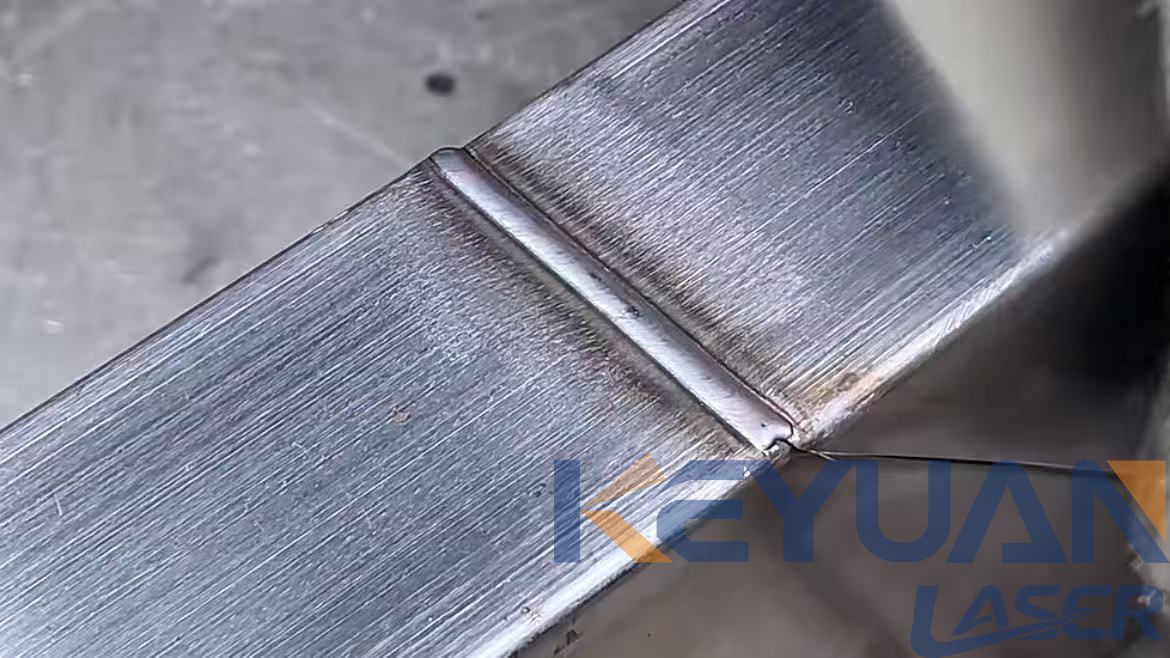
ระบบระบายความร้อน รอบการทำงาน และขีดจำกัดที่แท้จริง
วิธีการระบายความร้อนเป็นตัวกำหนดว่าคุณเชื่อมได้นานแค่ไหนจริง ๆ และนั่นคือจุดที่ใบเสนอราคาแตกต่างกันอย่างเงียบ ๆ
| รายการ | ระบายความร้อนด้วยอากาศ | ระบายความร้อนด้วยน้ำ |
|---|---|---|
| ช่วงกำลังไฟที่เหมาะสม | 1000 ถึง 1500 W | 1500 W ขึ้นไป |
| รอบการทำงาน | หยดในร้านที่ร้อน | ต่อเนื่อง |
| ในที่ที่เหมาะสม | งานหน้างานและร้านเล็ก | เซลล์การผลิต |
| สิ่งที่ต้องระวัง | กำลังไฟลดลงในฤดูร้อน | การบำรุงรักษาชิลเลอร์และพื้นที่ |
การเชื่อมแบบระบายความร้อนด้วยอากาศเป็นจุดเริ่มต้นที่ร้านเล็กส่วนใหญ่ควรเลือก ไม่ต้องซื้อชิลเลอร์ ไม่มีอะไรต้องบำรุงรักษา และตัวเครื่องสามารถเคลื่อนย้ายระหว่างโต๊ะทำงานหรือขนไปหน้างานด้วยรถตู้ สิ่งที่ต้องแลกมาคือความร้อน ในโรงงานที่อุณหภูมิ 35 องศา เครื่องจะลดกำลังลงเองเพื่อป้องกันแหล่งกำเนิดแสง และในการเชื่อมแนวยาว ความช้าลงนั้นคือสิ่งที่คุณรู้สึกได้
สูงกว่า 1500 W,
การเชื่อมเลเซอร์แบบระบายความร้อนด้วยอากาศ
มักกลายเป็นการประนีประนอมที่มากเกินไป และนั่นคือจุดที่การระบายความร้อนด้วยน้ำคุ้มค่ากับพื้นที่วางเครื่อง
การระบายความร้อนด้วยน้ำขจัดข้อจำกัดนั้น เครื่องระบายความร้อนด้วยน้ำรักษากำลังเต็มได้ตลอดทั้งวัน ซึ่งเป็นสิ่งที่สายการผลิตต้องการ และราคาที่ต้องจ่ายคือชิลเลอร์ที่ต้องทำความสะอาดไส้กรองและตรวจสอบน้ำอยู่เสมอ หากงานส่วนใหญ่ของคุณเป็นการเชื่อมสั้น ๆ บนโต๊ะทำงาน อากาศก็เพียงพอ หากคุณเชื่อมทั้งวัน น้ำมีค่าใช้จ่ายถูกกว่าเครื่องที่สองที่คุณจะต้องซื้อเพิ่ม
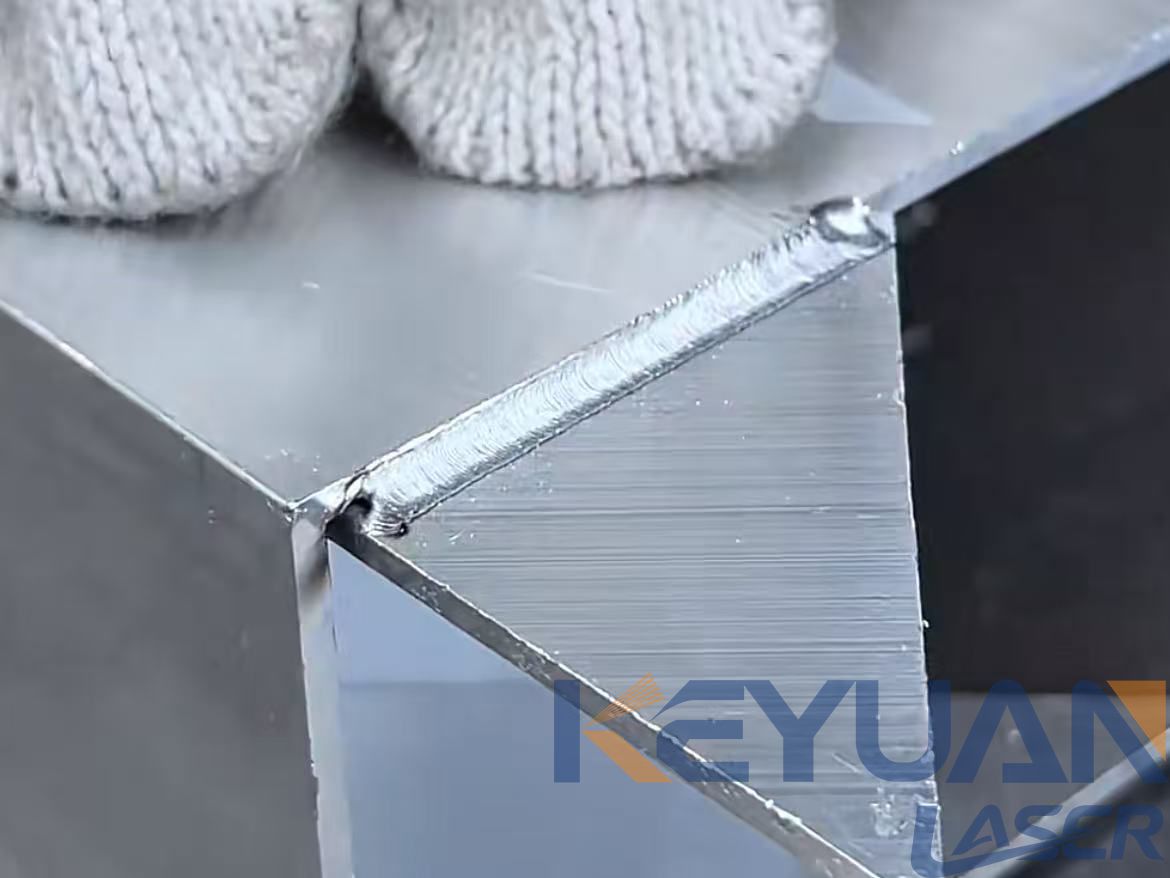
คำถามที่พบบ่อย
1500 W เพียงพอสำหรับเหล็ก 3 มม. หรือไม่?
ไม่พอสำหรับการเชื่อมครั้งเดียวที่ความเร็วปกติ คุณจะเชื่อมทะลุได้ในรอยต่อชนแบบแนบชิด แต่จะทำงานใกล้ขีดจำกัดและคุณภาพผิวงานจะด้อยลง หากงานเหล็ก 3 มม. เป็นงานปกติไม่ใช่ข้อยกเว้น ควรขยับไปที่ 2000 W
กำลังไฟสูงกว่าหมายถึงเชื่อมได้เร็วขึ้นหรือไม่?
เร็วขึ้นได้ถึงจุดหนึ่งเท่านั้น ความเร็วขึ้นอยู่กับอัตราส่วนกำลังไฟต่อความหนา และเมื่อเครื่องมีกำลังเกินกว่าที่รอยต่อต้องการ ความเร็วในการเคลื่อนหัวเชื่อมจะถูกจำกัดด้วยผู้ปฏิบัติงานและอุปกรณ์จับยึด ไม่ใช่ด้วยวัตต์
สามารถเชื่อมอะลูมิเนียมด้วยเครื่องเดียวกันได้หรือไม่?
โดยทั่วไปได้ แต่ต้องใช้สูตรการเชื่อมที่แตกต่างออกไป อะลูมิเนียมสะท้อนลำแสงมากกว่าและนำความร้อนออกไปเร็ว จึงมีพฤติกรรมเหมือนวัสดุที่หนากว่า คาดว่าจะสูญเสียระยะการเชื่อมประมาณหนึ่งในสามเมื่อเทียบกับเหล็ก
จำเป็นต้องใช้ไฟสามเฟสหรือไม่?
ต่ำกว่า 1500 W เครื่องส่วนใหญ่ใช้ไฟเฟสเดียว ซึ่งเป็นเหตุผลที่ร้านเล็กๆ ใช้งานได้ ส่วนเหนือ 2000 W ขึ้นไปมักใช้ไฟสามเฟส ดังนั้นควรตรวจสอบระบบไฟก่อนสั่งซื้อ ไม่ใช่หลังสั่ง
สรุปสั้นๆ
เลือกกำลังวัตต์จากความหนาที่คุณเชื่อมเป็นประจำทุกวัน ไม่ใช่จากชิ้นงานที่หนาที่สุดที่เคยมีคนขอ สำหรับร้านงานโลหะแผ่นที่ทำงาน 1 ถึง 2 มม. 1500 W คือจุดที่เหมาะสมที่สุด สำหรับโครงและถังที่ 3 มม. ขึ้นไป 2000 W พร้อมระบบระบายความร้อนด้วยน้ำคุ้มค่ากับราคา และไม่ว่าคุณจะเลือกแบบใด ให้กันงบประมาณส่วนหนึ่งไว้สำหรับ
ชุดเชื่อมแบบระบายความร้อนด้วยน้ำ
และการดูดควัน เพราะสิ่งเหล่านี้คือส่วนที่กำหนดว่าเครื่องจะเดินได้จริงวันละกี่ชั่วโมง
label:
related news


ที่อยู่อีเมล:
สายด่วน:
ลิขสิทธิ์ © 2012-2026 Keyuan Laser สงวนลิขสิทธิ์