English
 Français
 Deutsch
 Русский
 Türkçe
 Español
 لالعربية
 Português
 Italiano
 ไทย
เครื่องมาร์คกิ้งเลเซอร์ UV: จุดที่เหนือกว่าไฟเบอร์และ CO2
release time:
2026-10-13
เลือกเลเซอร์มาร์คกิ้งตามพื้นผิวที่อยู่ตรงหน้าคุณ: จุดที่เครื่องมาร์คกิ้งเลเซอร์ UV เหนือกว่าไฟเบอร์และ CO2 ค่าใช้จ่ายในการใช้งานของแต่ละแบบ และเมื่อใดที่ UV ไม่เหมาะสม
ร้านค้าแห่งหนึ่งโทรหเราเมื่อปีที่แล้ว หลังจากที่พวกเขาซื้อเลเซอร์ไฟเบอร์ 30 วัตต์ไปแล้ว พวกเขาทำเครื่องหมายบนคีย์แพดซิลิโคนและตัวเครื่อง ABS สีขาว และเครื่องไฟเบอร์ก็เผาเป็นรอยเงาสีน้ำตาลลงบนทุกชิ้นส่วน ไม่มีใครในสายการขายบอกพวกเขาเลยว่าเลเซอร์สำหรับทำเครื่องหมายบนโลหะกับเลเซอร์สำหรับทำเครื่องหมายบนพลาสติกเป็นเครื่องมือสองชนิดที่แตกต่างกัน
นั่นคือปัญหาทั้งหมดในประโยคเดียว เลือกเลเซอร์ให้เหมาะกับพื้นผิวที่คุณต้องการทำเครื่องหมาย ไม่ใช่เลือกตามราคา
เริ่มจากพื้นผิว ไม่ใช่จากตัวเครื่อง
เลเซอร์ทำเครื่องหมายทุกตัวทำงานเหมือนกัน วัสดุต้องดูดซับแสง และพลังงานที่ดูดซับไว้จะทำให้จุดนั้นร้อนขึ้นหรือทำลายพันธะเคมีตรงจุดนั้นเลย อย่างใดอย่างหนึ่งในสองสิ่งนี้จะตัดสินว่าคุณจะได้เครื่องหมายที่คมชัดหรือรอยไหม้
ความยาวคลื่น 355 นาโนเมตรภายใน
เครื่องทำเครื่องหมายด้วยเลเซอร์ UV
อยู่ในช่วงอัลตราไวโอเลต พลาสติก แก้ว และพื้นผิวที่ทาสีส่วนใหญ่ดูดซับไว้อย่างแรง ลำแสงจึงทำงานในชั้นที่บางมากและแทบไม่ทิ้งความร้อนไว้เลย นั่นคือเหตุผลที่วงการนี้เรียกมันว่าการทำเครื่องหมายแบบเย็น บนตัวเครื่อง ABS หนา 0.8 มม. เครื่องหมายจะลึกประมาณ 0.02 มม. และชิ้นงานไม่บิดเบี้ยว ไม่มันวาว หรือลอกฉลากที่พิมพ์ไว้ด้านล่าง
เลเซอร์ทำเครื่องหมายสามชนิดในภาษาง่าย ๆ
| เลเซอร์ | สิ่งที่ทำเครื่องหมายได้ดี | จุดที่ทำได้ไม่ดี |
|---|---|---|
| UV, 355 nm | พลาสติก, แก้ว, โลหะเคลือบสี, PCB, เปลือกหุ้มสายเคเบิล | การแกะสลักลึกบนเหล็ก |
| ไฟเบอร์, 1064 nm | สแตนเลส, อะลูมิเนียม, โลหะอะโนไดซ์และเคลือบ | พลาสติกส่วนใหญ่ แก้ว และเคลือบใส |
| CO2, 10.6 ไมครอน | ไม้ หนัง อะคริลิก การ์ดเคลือบ อะลูมิเนียมอโนไดซ์ | โลหะเปล่า |
อ่านตารางนั้นเป็นคำอธิบายงานสั้น ๆ สามแบบ มากกว่าจะเป็นเกรดคุณภาพสามระดับ เลเซอร์ไฟเบอร์เป็นวิธีที่ถูกที่สุดในการมาร์กโลหะ และเกือบจะเป็นวิธีที่แย่ที่สุดในการมาร์กพลาสติกสีขาว หลอด CO2 เป็นเครื่องมือหลักสำหรับไม้ หนัง และอะคริลิก และจะไม่แตะเหล็กเปล่าเลย UV มีราคาสูงกว่าเครื่องไฟเบอร์ขนาดเดียวกัน และจัดการวัสดุที่อีกสองแบบทำเสียหายได้
หากคุณต้องการดูเครื่องจักรเทียบกันก่อนตัดสินใจเพิ่มเติม หน้า
ระบบมาร์กกิ้ง UV
ของเราแสดงขนาดพื้นที่ทำงาน กำลังไฟ และตัวเลือกมาตรฐานของแต่ละรุ่น
จุดที่ UV คุ้มค่ากับราคา
มีงานสามประเภทที่คุ้มค่ากับการใช้แหล่งกำเนิด UV และควรจดไว้ก่อนเซ็นสัญญาใด ๆ
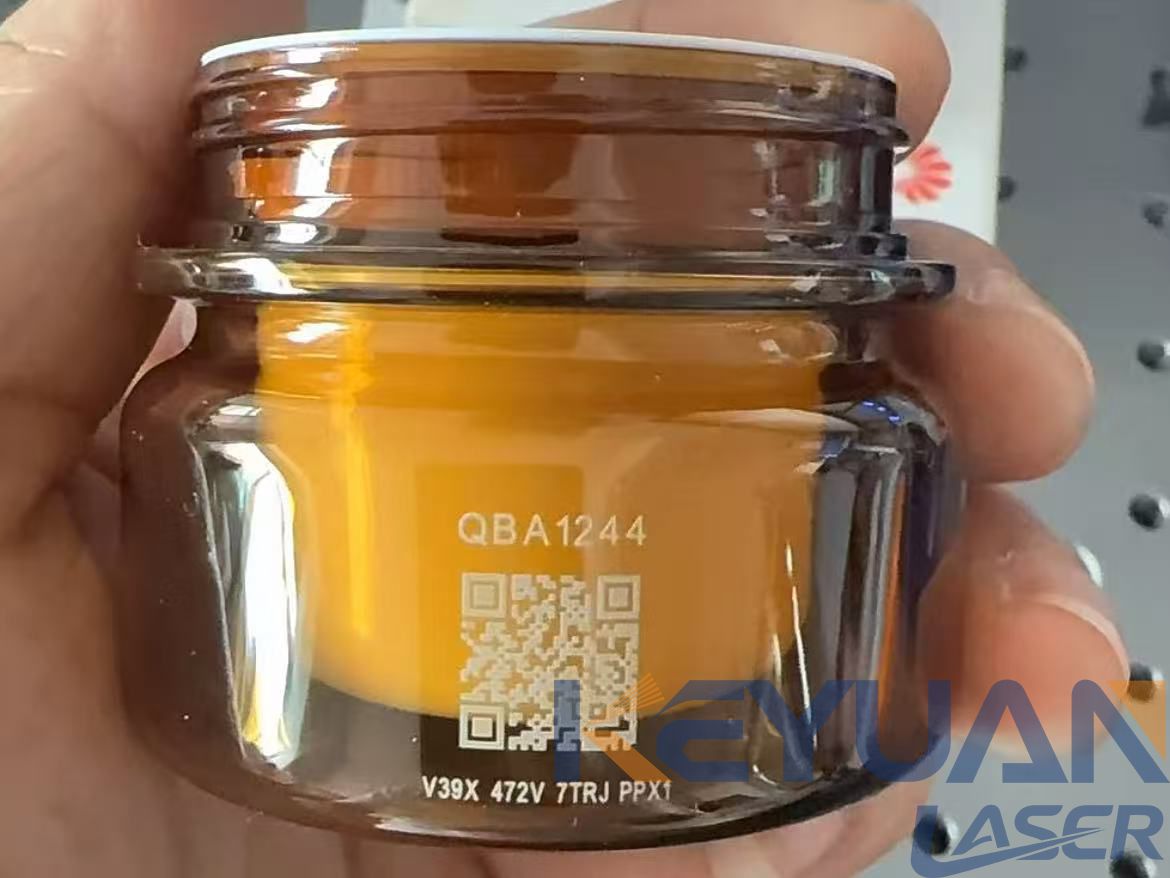
พลาสติกไวต่อความร้อนต้องมาก่อน พลาสติกสีขาวและสีอ่อนเป็นกรณีคลาสสิก เลเซอร์ไฟเบอร์จะทำให้เป็นสีเทา และหลอด CO2 จะหลอมละลายผิวหน้า ขณะที่ UV จะทิ้งรอยสีเข้มที่มีคอนทราสต์สูงโดยไม่มีความเสียหายที่มองเห็นได้ เราได้มาร์กโพลีคาร์บอเนตสีขาว PVC และ HDPE จำนวนมากด้วยวิธีนี้ และชิ้นงานยังคงผ่านการตรวจสอบด้วยสายตาหลังจากนั้น
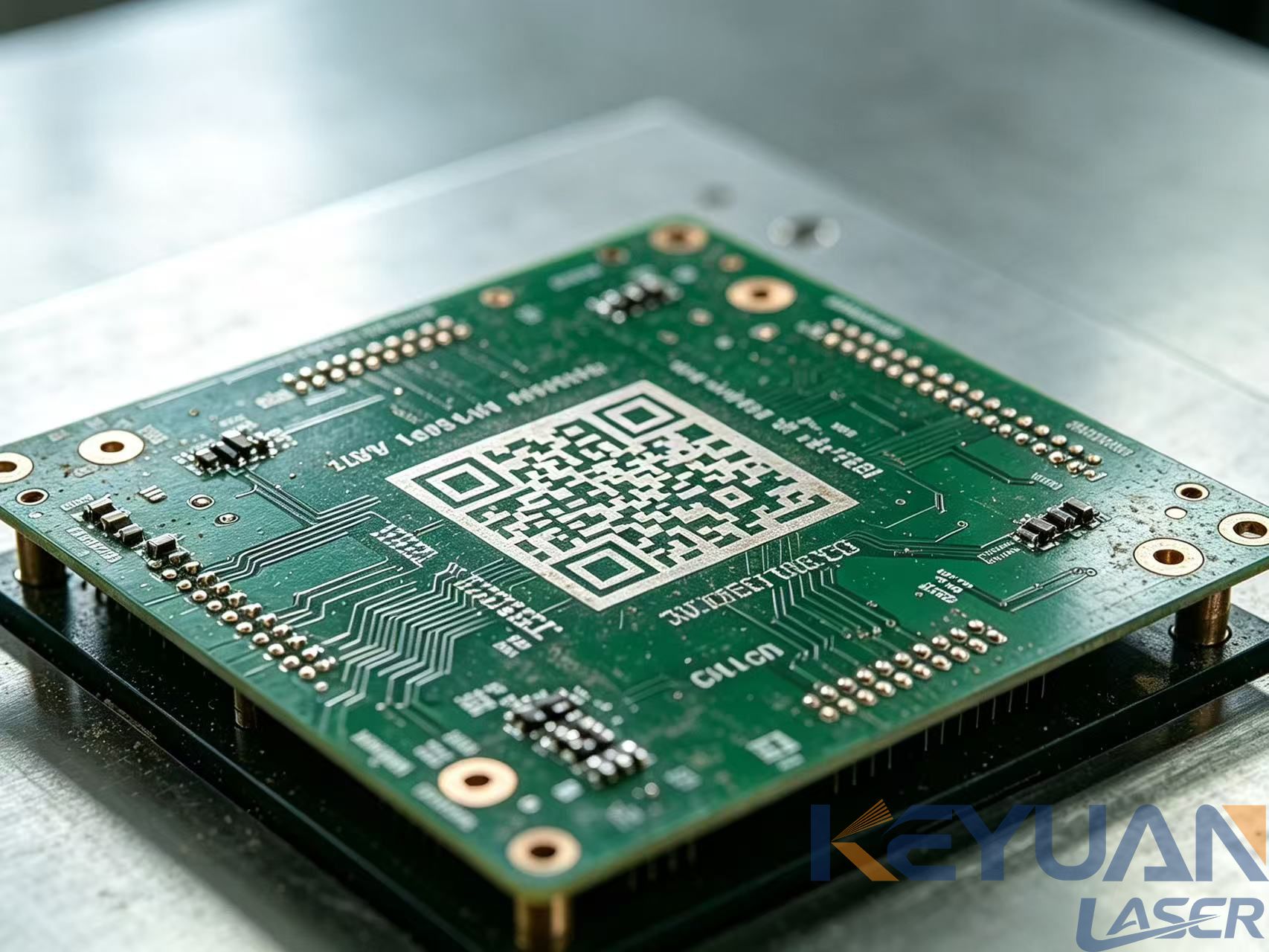
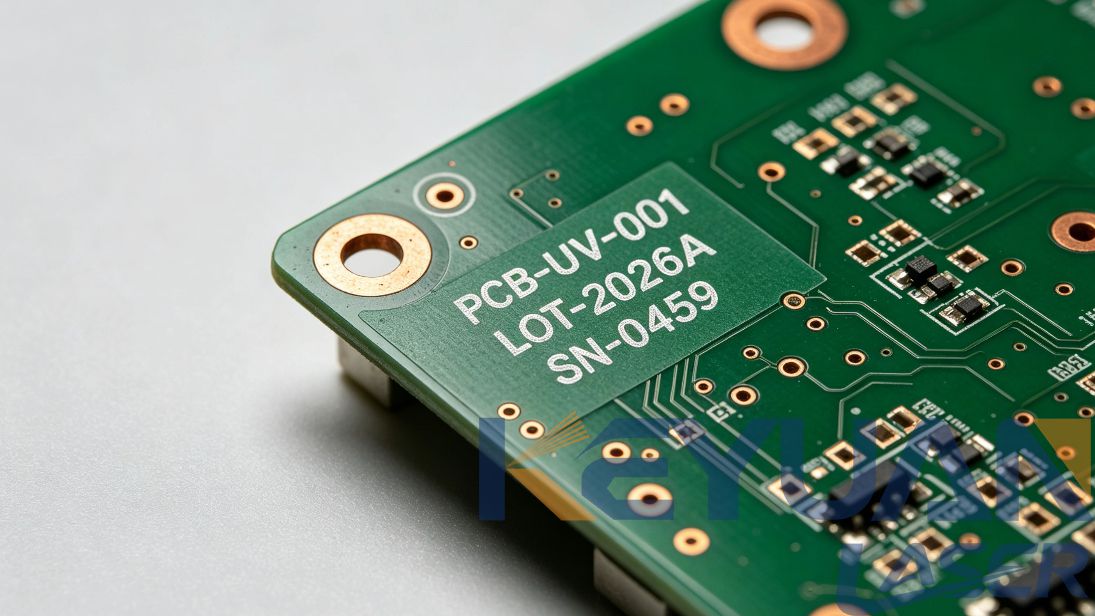
การตรวจสอบย้อนกลับอุปกรณ์อิเล็กทรอนิกส์เป็นอันดับที่สอง แผงวงจร ขั้วต่อ และปลอกหุ้มสายเคเบิลต้องการหมายเลขซีเรียลที่ทนต่อการล้าง การรีโฟลว์ และการหยิบจับ เลเซอร์ไฟเบอร์จะกัดกิน solder mask ส่วน UV จะเขียนหมายเลขเดียวกันในรอบเดียวบนแผงวงจรที่ประกอบชิ้นส่วนแล้ว
แก้วและโลหะเคลือบเป็นอันดับที่สาม UV มาร์กบนแก้วได้โดยไม่เกิดรอยร้าวขนาดเล็กที่ später จะแตกภายใต้ความร้อน และสามารถมาร์กทะลุผ่านสีหรือการเคลือบผงได้เลย ดังนั้นคุณจึงข้ามขั้นตอนการปิดบังไปได้ทั้งหมด
ค่าใช้จ่ายในการเดินเครื่องของแต่ละแบบ
| รายการ | UV | ไฟเบอร์ | CO2 |
|---|---|---|---|
| อายุการใช้งานแหล่งกำเนิดแสง | 15,000 ถึง 20,000 ชั่วโมง | ประมาณ 100,000 ชั่วโมง | 3,000 ถึง 8,000 ชั่วโมงต่อหลอด |
| วัสดุสิ้นเปลือง | แทบไม่มี | แทบไม่มี | หลอดและก๊าซเติม |
| ความเร็วบนวัสดุที่ดีที่สุด | ช้าที่สุดในสามแบบ | เร็ว | เร็ว |
| เงินไปอยู่ที่ไหน | แหล่งที่มาและเลนส์ | ต้นทุนต่อชิ้นต่ำที่สุด | หลอดเปลี่ยนตลอดหลายปี |
ราคาซื้อของเครื่อง UV นั้นสูงกว่าเครื่องไฟเบอร์ที่มีพื้นที่การมาร์กเท่ากัน และยังต้องเปลี่ยนแหล่งกำเนิดแสงเร็วกว่าด้วย นั่นคือสิ่งที่คุณต้องแลก คุณไม่ได้ซื้อเครื่องที่เร็วกว่า แต่คุณกำลังซื้อเครื่องที่เป็นมิตรกว่าสำหรับวัสดุกลุ่มแคบๆ เท่านั้น
ดังนั้นการตัดสินใจมักขึ้นอยู่กับปริมาณงาน ถ้าคุณมาร์กชิ้นส่วนพลาสติกไม่กี่ร้อยชิ้นต่อวัน และเลเซอร์ไฟเบอร์ทำเสียไปครึ่งหนึ่ง แค่ของเสียอย่างเดียวก็คุ้มส่วนต่างได้ภายในหนึ่งปี ถ้าคุณมาร์กยี่สิบชิ้นต่อสัปดาห์ การใช้แหล่งกำเนิด UV ก็ยากที่จะคุ้มค่าใช้จ่าย และคุณควรถามตัวเองว่าการพิมพ์อิงก์เจ็ตหรือการพิมพ์แบบแทмпонนั้นเพียงพอหรือไม่
เมื่อใดที่ UV เป็นตัวเลือกที่ผิด
UV เป็นตัวเลือกที่ผิดเมื่อชิ้นงานที่อยู่ตรงหน้าคุณเป็นโลหะ และเป็นโลหะเท่านั้น ถ้างานเก้าสิบเปอร์เซ็นต์ของคุณคือป้ายสแตนเลส ป้ายชื่ออะลูมิเนียม และตัวเครื่องอะโนไดซ์ ให้ซื้อไฟเบอร์และเก็บส่วนต่างไว้ เครื่อง
เครื่องมาร์กเลเซอร์ไฟเบอร์
ที่เราผลิตครอบคลุมช่วงงานเหล่านั้นด้วยต้นทุนการใช้งานเพียงเสี้ยวเดียว และแหล่งกำเนิด UV จะมาร์กชิ้นส่วนเหล่านั้นอย่างช้าๆ และตื้นๆ ไปอีกสามปี ขณะที่คุณสงสัยว่าทำไมเครื่องถึงรู้สึกอืดอาด
มันยังเป็นตัวเลือกที่ผิดเมื่อคุณต้องการความลึก UV มาร์กบนพื้นผิว แต่ไม่ได้เจาะเป็นร่องลงไป สิ่งใดก็ตามที่ต้องทนต่อการเสียดสีหลายปี หรือต้องอ่านผ่านชั้นสีหนาๆ ควรใช้เครื่องไฟเบอร์หรือ CO2
และมันผิดเมื่อคอขวดของคุณคือปริมาณงานต่อชั่วโมง ไม่ใช่อัตราของเสีย UV ไม่ใช่กระบวนการที่เร็ว และการปรับแต่งไม่ว่าจะมากแค่ไหนก็ไม่เปลี่ยนข้อนี้
ร้านจำนวนมากลงเอยด้วยการมีทั้งสองแบบ เครื่อง
เครื่องมาร์กเลเซอร์ UV แบบแยก
วางต้นกำเนิดแสงไว้ในตู้ใต้ม้านั่งและหัวไว้บนแขน จึงใช้พื้นที่ร่วมกับชุดไฟเบอร์แทนที่จะต้องใช้โต๊ะอีกตัว โครงสร้างนี้คือเหตุผลที่เราผลิตเวอร์ชันแยกชิ้นส่วนขึ้นมา
คำถามที่พบบ่อย
เลเซอร์ UV มาร์กบนโลหะได้ไหม
ได้ แต่เป็นรอยตื้นๆ โดยจะทิ้งรอยตัดกันอ่อนๆ บนสแตนเลสและอะลูมิเนียม ซึ่งเพียงพอสำหรับโลโก้หรือรหัสวันที่ แต่จะไม่สลักตัวเลขลึกๆ ลงบนแผ่นเหล็กแบบที่
เครื่องมาร์กเลเซอร์ไฟเบอร์
ทำได้ และบนโลหะหนาหรือสะท้อนแสง กระบวนการจะช้าลงมาก
รอยยิงด้วยเลเซอร์ UV จะจางหายไปหรือไม่?
ไม่ เพราะไม่มีหมึกให้จางหาย ลำแสงจะเปลี่ยนเนื้อวัสดุโดยตรง ดังนั้นรอยยิงจึงมักอยู่ได้นานกว่าสารเคลือบรอบๆ บนพลาสติกบางชนิดสามารถใช้นิ้วมือสัมผัสถึงรอยยิงได้ ส่วนชนิดอื่นเป็นการเปลี่ยนสีของพื้นผิวเท่านั้น
ต้องใช้กำลังไฟเท่าไหร่?
3 วัตต์ เพียงพอสำหรับงานยิงรอยปริมาณน้อยบนพลาสติกและแก้ว 5 ถึง 10 วัตต์ จะช่วยเรื่องความเร็ว ซึ่งสำคัญทันทีเมื่องานไม่ใช่การทำทีละชิ้นอีกต่อไป เหนือ 15 วัตต์ขึ้นไป คุณกำลังจ่ายเพื่อความเร็วในการผลิตที่ร้านเล็กๆ ส่วนใหญ่ไม่เคยได้ใช้ เราจึงมักแนะนำให้ผู้ซื้อเลือกช่วงกลางของระดับนี้
สามารถยิงรอยบนพลาสติกสีขาวและสีดำด้วยการตั้งค่าเดียวกันได้หรือไม่?
ไม่ได้ และเรื่องนี้ทำให้หลายคนประหลาดใจ สีมีผลต่อความลึกที่ลำแสง penetrate และระดับความคมชัดที่ได้ ควรเผื่อเวลาไว้ครึ่งวันในการปรับสูตรสำหรับแต่ละสีและแต่ละวัสดุที่คุณใช้งาน
สรุปสั้นๆ
เลเซอร์ UV เป็นเครื่องมือเฉพาะทาง ไม่ใช่การอัปเกรด มันชนะในงานพลาสติก แก้ว พื้นผิวที่ทาสี และอิเล็กทรอนิกส์ แต่แพ้ในเรื่องความเร็ว งานโลหะลึก และราคา หากชิ้นงานส่วนใหญ่ของคุณเป็นโลหะ ให้ซื้อไฟเบอร์ หากเลเซอร์ไฟเบอร์ทำลายชิ้นงานพลาสติกของคุณซ้ำๆ UV คือทางแก้ และเศษงานที่คุณหยุดทิ้งจะคืนทุนให้เร็วกว่าข้อโต้แย้งเรื่องประสิทธิภาพใดๆ
label:
related news


ที่อยู่อีเมล:
สายด่วน:
ลิขสิทธิ์ © 2012-2026 Keyuan Laser สงวนลิขสิทธิ์