Pulizia Laser vs Sabbiatura: Quale Trattamento Superficiale dei Metalli Vince


release time:

2026-08-19

Confronta pulizia laser e sabbiatura per il trattamento superficiale dei metalli. Utilizza una macchina professionale per pulizia laser per una rimozione ruggine efficiente e un restauro affidabile delle superfici metall

Pulizia Laser vs Sabbiatura: Quale Trattamento Superficiale dei Metalli Vince

Il trattamento superficiale dei metalli è essenziale per rimuovere ruggine, vernice, strati di ossido e contaminanti nella fabbricazione dei metalli e nella manutenzione industriale. La sabbiatura è stata per decenni la soluzione principale, ma presenta evidenti difetti come perdita di materiale, inquinamento ambientale e bassa precisione. Oggi, la tecnologia avanzata di
pulizia laser
sta gradualmente sostituendo i processi tradizionali, diventando un'opzione superiore per il rinnovo superficiale dei metalli ad alto standard.

In termini di precisione di lavorazione e protezione del materiale, una
macchina per pulizia laser
professionale offre vantaggi assoluti. La sabbiatura si basa su abrasivi ad alta pressione per rimuovere le impurità superficiali, il che graffia inevitabilmente la base metallica e riduce lo spessore del pezzo. Non può mirare a piccole aree o superfici curve complesse. Al contrario, la pulizia laser adotta una rimozione precisa tramite energia luminosa, eliminando selettivamente ruggine, vernice e sporco senza danneggiare la texture originale del metallo.
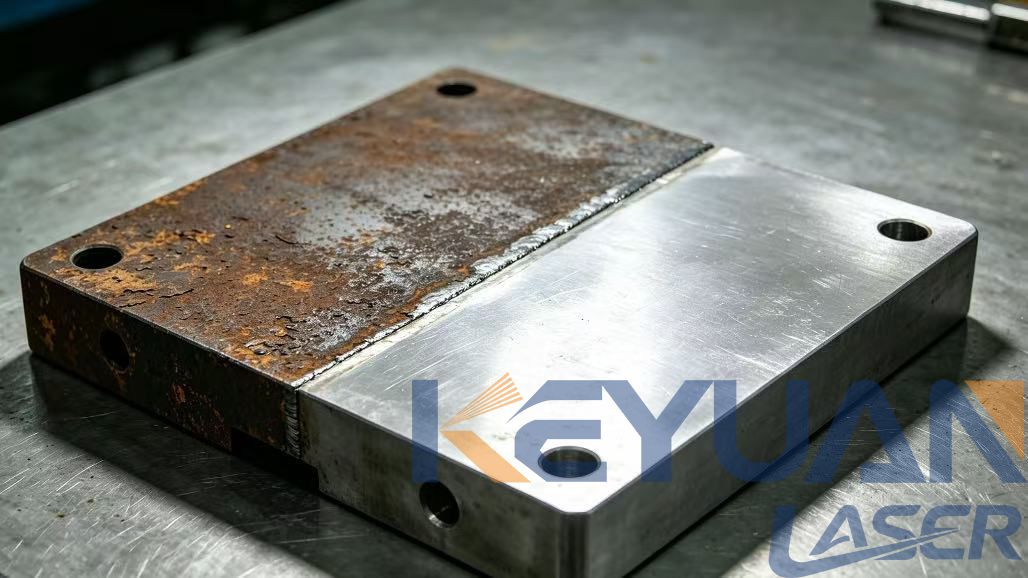
Pulizia Laser vs Sabbiatura: Quale Trattamento Superficiale dei Metalli Vince(Image1)

Per la ristrutturazione e la manutenzione industriale quotidiana, la rimozione efficiente della ruggine tramite laser offre risultati di gran lunga migliori rispetto alla sabbiatura. Elimina completamente strati di ruggine ostinati, ossidi di saldatura e rivestimenti residui su strutture in acciaio, componenti hardware e attrezzature meccaniche. L'intero processo non produce polvere, nessuno scarto abrasivo e nessuna inquinamento secondario, rispettando pienamente gli standard moderni di protezione ambientale delle fabbriche. Inoltre, non richiede procedure di pulizia successive, risparmiando molto tempo di lavoro.


Come attrezzatura multifunzionale per il ripristino delle superfici metalliche, i dispositivi di pulizia laser presentano costi operativi a lungo termine inferiori. La sabbiatura consuma enormi quantità di materiale abrasivo e richiede la sostituzione regolare delle attrezzature, mentre la pulizia laser non richiede consumabili e supporta il lavoro continuo a lungo termine. Sebbene la sabbiatura abbia un costo iniziale delle attrezzature inferiore, l'elevato consumo di materiale e il tasso di difetti portano a costi di produzione complessivi più elevati nelle operazioni su larga scala.
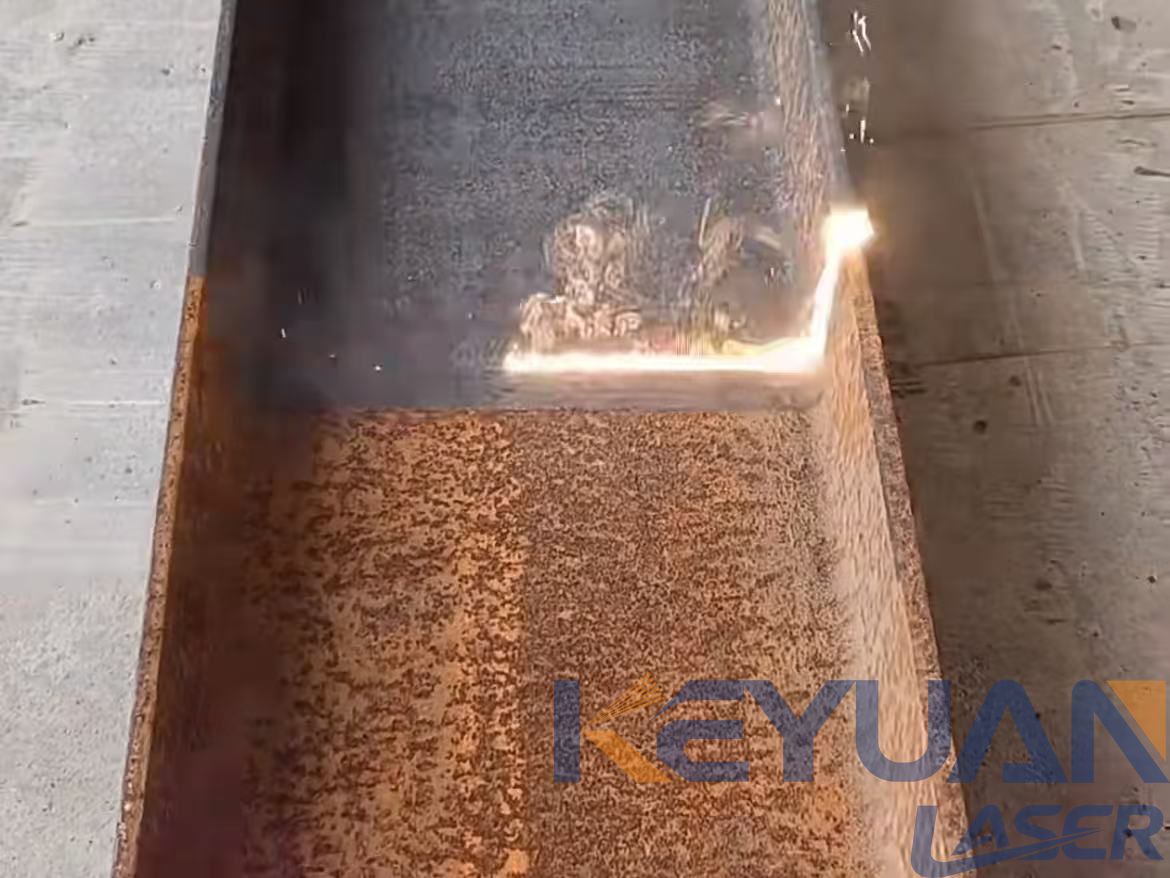
Pulizia Laser vs Sabbiatura: Quale Trattamento Superficiale dei Metalli Vince(Image2)

In conclusione, la sabbiatura è adatta solo per trattamenti superficiali grezzi e a bassa precisione.
La pulizia laser
si distingue per l'elevata precisione, l'ecocompatibilità e l'efficienza dei costi. È la soluzione vincente per le fabbriche moderne che puntano a un restauro di superfici metalliche di alta qualità, a basso consumo e rispettoso dell'ambiente.

label:


Se desideri saperne di più sui dettagli di una determinata azienda, visita il nostro sito ufficiale dove troverai informazioni complete e approfondite da consultare!


Copyright © 2012-2026 Keyuan Laser Tutti i diritti riservati

Leave your message

If you have any suggestions or questions for us, please feel free to contact us!

We use cookies to improve your online experience. By continuing to browse this website, you agree to our use of cookies.

Cookies

Please read our Terms and Conditions and this Policy before accessing or using our Services. If you cannot agree with this Policy or the Terms and Conditions, please do not access or use our Services. If you are located in a jurisdiction outside the European Economic Area, by using our Services, you accept the Terms and Conditions and accept our privacy practices described in this Policy.
We may modify this Policy at any time, without prior notice, and changes may apply to any Personal Information we already hold about you, as well as any new Personal Information collected after the Policy is modified. If we make changes, we will notify you by revising the date at the top of this Policy. We will provide you with advanced notice if we make any material changes to how we collect, use or disclose your Personal Information that impact your rights under this Policy. If you are located in a jurisdiction other than the European Economic Area, the United Kingdom or Switzerland (collectively “European Countries”), your continued access or use of our Services after receiving the notice of changes, constitutes your acknowledgement that you accept the updated Policy. In addition, we may provide you with real time disclosures or additional information about the Personal Information handling practices of specific parts of our Services. Such notices may supplement this Policy or provide you with additional choices about how we process your Personal Information.


Cookies

Cookies are small text files stored on your device when you access most Websites on the internet or open certain emails. Among other things, Cookies allow a Website to recognize your device and remember if you've been to the Website before. Examples of information collected by Cookies include your browser type and the address of the Website from which you arrived at our Website as well as IP address and clickstream behavior (that is the pages you view and the links you click).We use the term cookie to refer to Cookies and technologies that perform a similar function to Cookies (e.g., tags, pixels, web beacons, etc.). Cookies can be read by the originating Website on each subsequent visit and by any other Website that recognizes the cookie. The Website uses Cookies in order to make the Website easier to use, to support a better user experience, including the provision of information and functionality to you, as well as to provide us with information about how the Website is used so that we can make sure it is as up to date, relevant, and error free as we can. Cookies on the Website We use Cookies to personalize your experience when you visit the Site, uniquely identify your computer for security purposes, and enable us and our third-party service providers to serve ads on our behalf across the internet.

We classify Cookies in the following categories:
 ●  Strictly Necessary Cookies
 ●  Performance Cookies
 ●  Functional Cookies
 ●  Targeting Cookies


Cookie List
A cookie is a small piece of data (text file) that a website – when visited by a user – asks your browser to store on your device in order to remember information about you, such as your language preference or login information. Those cookies are set by us and called first-party cookies. We also use third-party cookies – which are cookies from a domain different than the domain of the website you are visiting – for our advertising and marketing efforts. More specifically, we use cookies and other tracking technologies for the following purposes:

Strictly Necessary Cookies
These cookies are necessary for the website to function and cannot be switched off in our systems. They are usually only set in response to actions made by you which amount to a request for services, such as setting your privacy preferences, logging in or filling in forms. You can set your browser to block or alert you about these cookies, but some parts of the site will not then work. These cookies do not store any personally identifiable information.

Functional Cookies
These cookies enable the website to provide enhanced functionality and personalisation. They may be set by us or by third party providers whose services we have added to our pages. If you do not allow these cookies then some or all of these services may not function properly.

Performance Cookies
These cookies allow us to count visits and traffic sources so we can measure and improve the performance of our site. They help us to know which pages are the most and least popular and see how visitors move around the site. All information these cookies collect is aggregated and therefore anonymous. If you do not allow these cookies we will not know when you have visited our site, and will not be able to monitor its performance.

Targeting Cookies
These cookies may be set through our site by our advertising partners. They may be used by those companies to build a profile of your interests and show you relevant adverts on other sites. They do not store directly personal information, but are based on uniquely identifying your browser and internet device. If you do not allow these cookies, you will experience less targeted advertising.

How To Turn Off Cookies
You can choose to restrict or block Cookies through your browser settings at any time. Please note that certain Cookies may be set as soon as you visit the Website, but you can remove them using your browser settings. However, please be aware that restricting or blocking Cookies set on the Website may impact the functionality or performance of the Website or prevent you from using certain services provided through the Website. It will also affect our ability to update the Website to cater for user preferences and improve performance. Cookies within Mobile Applications

We only use Strictly Necessary Cookies on our mobile applications. These Cookies are critical to the functionality of our applications, so if you block or delete these Cookies you may not be able to use the application. These Cookies are not shared with any other application on your mobile device. We never use the Cookies from the mobile application to store personal information about you.

If you have questions or concerns regarding any information in this Privacy Policy, please contact us by email at . You can also contact us via our customer service at our Site.