English
 Français
 Deutsch
 Русский
 Türkçe
 Español
 لالعربية
 Português
 Italiano
 ไทย
MOPA Laser vs Ordinary Fiber Laser: Differences in Metal Engraving Results
release time:
2026-07-29
MOPA vs standard fiber for metal: MOPA does color,black on aluminum, clean plastic.Standard does deep engraving cheaper.Comparison guide.
MOPA Laser vs Ordinary Fiber Laser: Differences in Metal Engraving Results
If you are shopping for metal engraving equipment, you have probably seen both standard fiber lasers and MOPA fiber lasers. They look similar, but the results are different.
The core difference: pulse control
A standard fiber laser has a fixed pulse duration—typically around 120 nanoseconds. A MOPA laser lets you adjust pulse width anywhere from 2 to 500 nanoseconds, plus a much wider frequency range (up to 1 MHz instead of the usual 100 kHz limit). That sounds technical, but the practical effect is simple: MOPA gives you more control over heat and marking quality.
What shows up on your parts
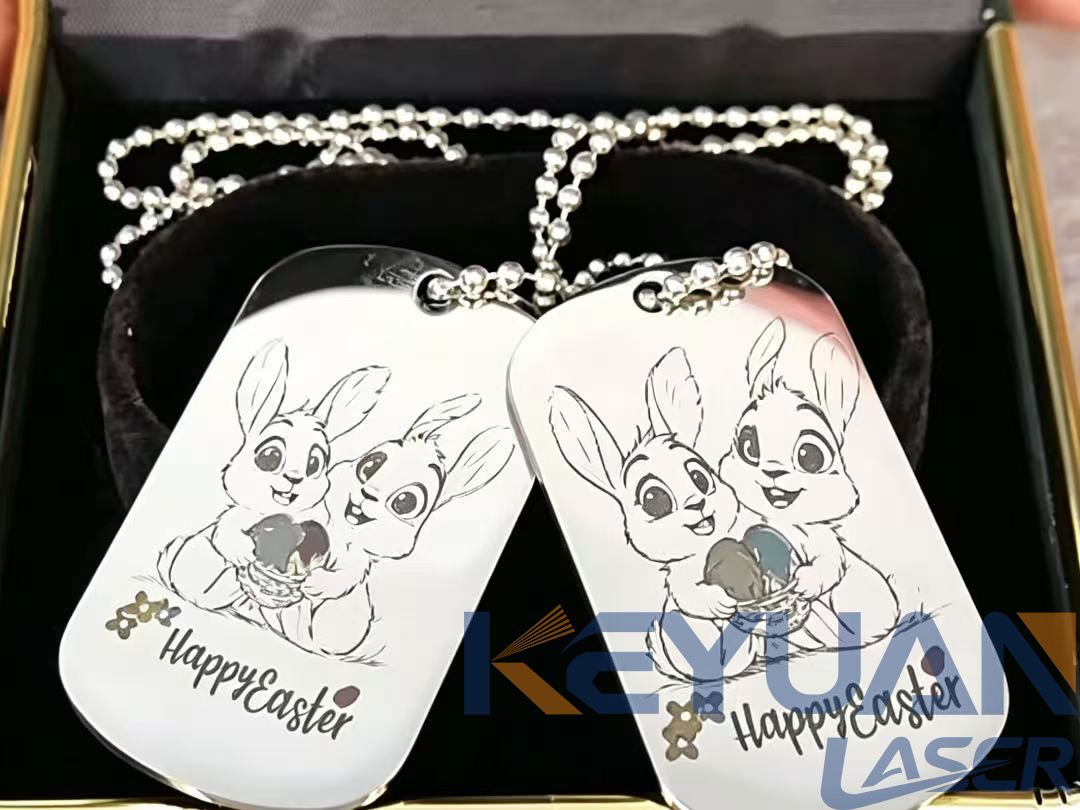
Color marking. A standard fiber laser mostly gives you grayscale—black, gray, silver. A MOPA can produce blues, golds, reds, and greens on stainless steel. The adjustable pulse lets you create specific oxide layer thicknesses for specific colors. For jewelry, branding, or decorative work, that is a game changer.
Heat damage. Standard fiber lasers generate more heat. That is fine for deep engraving, but it can burn or melt plastics and warp thin metals. MOPA's shorter pulses reduce heat buildup, giving cleaner edges with less discoloration.
Plastic marking. Standard fiber lasers often melt or char plastic. A MOPA marks plastics cleanly without burning—better contrast, no melt marks.
Black on aluminum. A MOPA produces dark, high-contrast black marks on anodized aluminum that standard fiber cannot match.
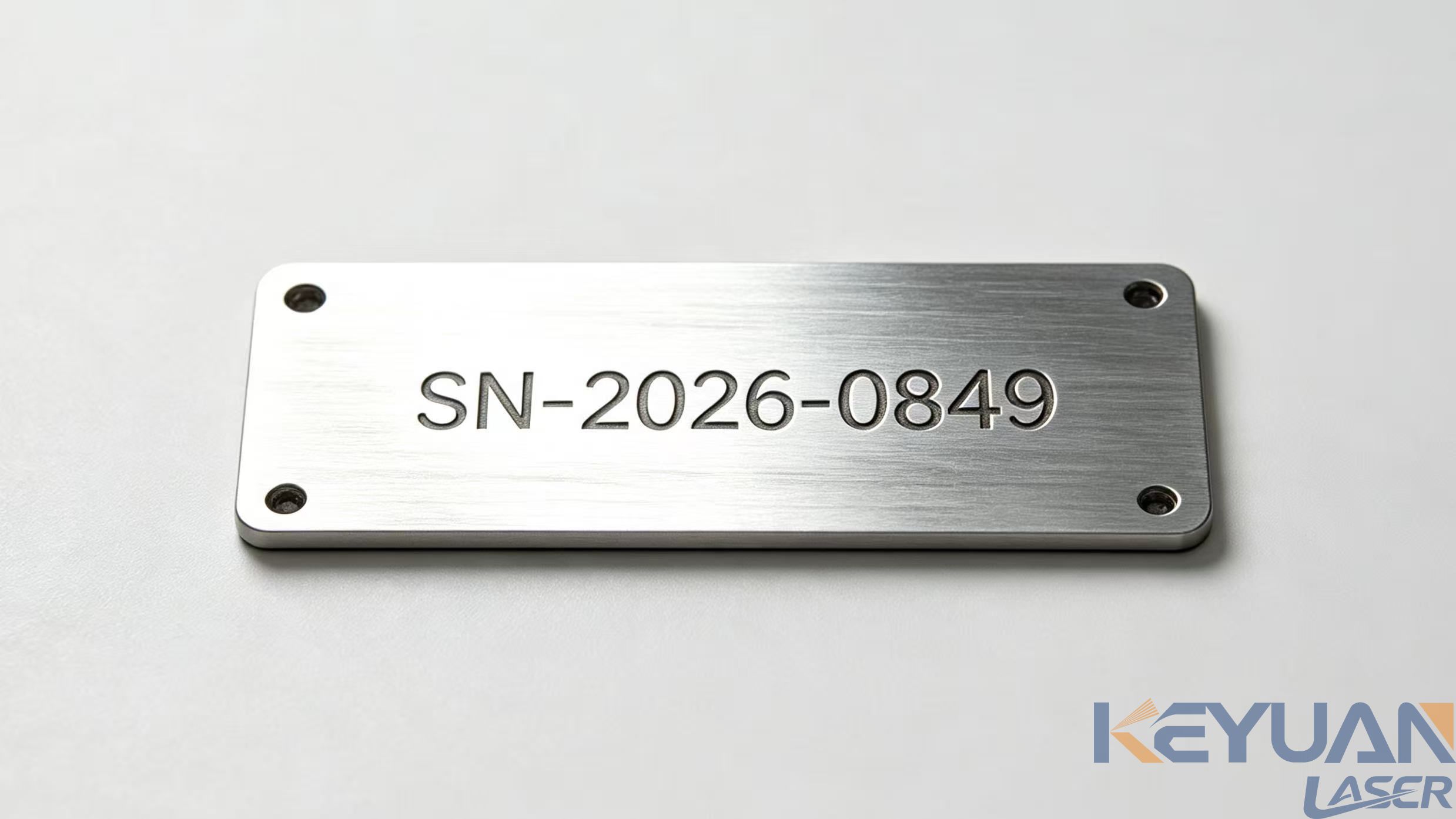
Deep engraving. Standard fiber actually wins here. The fixed, longer pulses dig deeper faster. If all you do is serial numbers and deep marks on steel, save your money.
Bottom line
Get MOPA if: you need color on stainless, work with plastics, mark anodized aluminum, or run a custom jewelry shop. The price is higher, but the flexibility pays off.
Stick with standard fiber if: you only do serial numbers, 2D codes, and deep engraving on metals. It is cheaper and does those jobs well.
label:
related news


E-mail address:
Hotline:
Copyright © 2012-2026 Keyuan Laser All rights reserved