English
 Français
 Deutsch
 Русский
 Türkçe
 Español
 لالعربية
 Português
 Italiano
 ไทย
UV Laser vs Fiber Laser: Which Fits Your Electronic Component Jobs
release time:
2026-09-12
Check this fiber vs UV laser comparison for electronics part marking.A high‑precision UV laser engraver delivers damage-free,fine marking for delicate electronic component applications.
UV Laser vs Fiber Laser: Which Fits Your Electronic Component Jobs
Electronic component marking requires extreme precision, zero surface damage, and long-term traceability. With a wide range of delicate materials including thin plastics, coated circuits, glass, and precision metal parts, manufacturers often struggle to choose between fiber and UV laser systems. Understanding the key differences in this fiber vs UV laser comparison helps factories select the right equipment for consistent, high-quality electronics production.
Fiber lasers excel at deep marking and engraving on thick metal surfaces, making them ideal for sturdy hardware and industrial metal parts. However, their thermal processing principle generates noticeable heat impact. When used on fragile electronic parts, fiber lasers may cause burning, surface cracking, coating peeling, or internal component damage. For general metal electronics marking with low precision requirements, fiber lasers remain a cost-effective option.
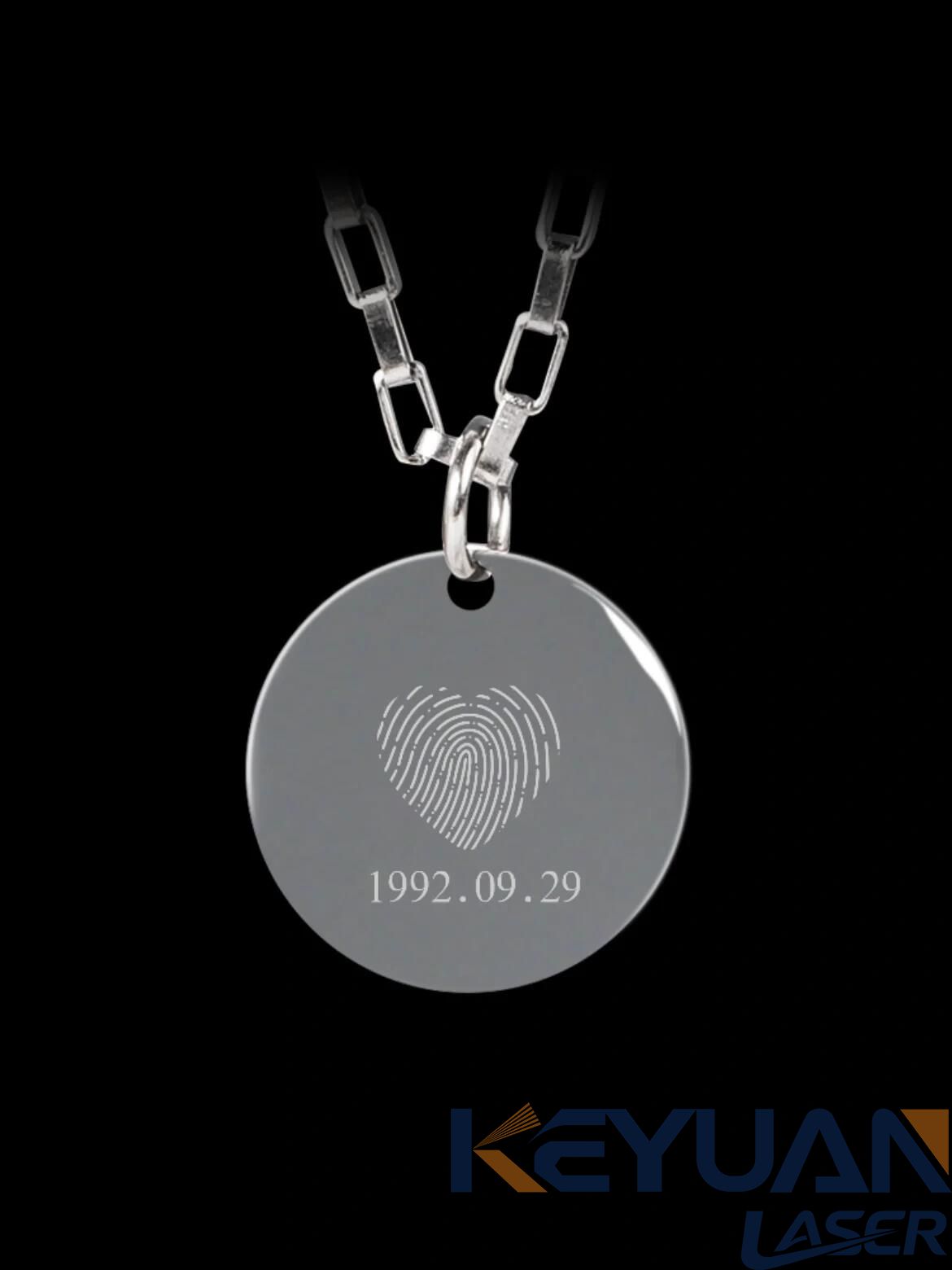
For high-standard electronics part marking on sensitive and delicate materials, UV lasers stand out as the better choice. Featuring cold laser processing, UV lasers produce minimal heat-affected zones, ensuring no thermal deformation or surface scorching. They handle ultra-fine marking on circuit boards, transparent covers, mini chips, and thin electronic films without compromising structural integrity or original appearance.
A high‑precision UV laser engraver delivers finer beam spots and higher resolution than fiber lasers, supporting tiny serial numbers, micro QR codes, and intricate logos on compact electronic components. Every mark features sharp edges, uniform depth, and permanent wear resistance, fully meeting strict electronic industry traceability and quality standards.
In short, fiber lasers work best for thick metal electronic parts that need durable deep engraving. In contrast, UV lasers are the top solution for delicate, high-precision electronic component jobs. Choosing the right laser type eliminates defective products, reduces rework, and optimizes your electronics manufacturing workflow.
label:
related news


E-mail address:
Hotline:
Copyright © 2012-2026 Keyuan Laser All rights reserved