English
 Français
 Deutsch
 Русский
 Türkçe
 Español
 لالعربية
 Português
 Italiano
 ไทย

เครื่องเชื่อมเลเซอร์แบบมือถือสำหรับโรงงานโครงสร้างเหล็ก
release time:
2026-10-16
อะไรเปลี่ยนไปเมื่อเครื่องเชื่อมเลเซอร์แบบมือถือเจอกับเหล็กโครงสร้าง: รอยเชื่อมแบบไหนที่รองรับได้ ความหนาส่งผลต่อกำลังไฟอย่างไร และจุดที่ความพอดีของชิ้นงานสำคัญกว่าความเร็ว
ช่างเชื่อมที่ใช้เวลาสิบปีเชื่อมตู้สแตนเลสหนา 1.5 มม. จู่ๆ ก็ได้งานโครงบันได: เหล็กฉาก 100 คูณ 100 คูณ 6, คานไอ 200 มม., แผ่นฐาน, แผ่นเชื่อมยึด และทุกชิ้นต้องประกอบเข้าที่หน้างานด้วยเครนในลาน
ช่างเชื่อมคนเดิม ปืนเชื่อมเดิม แต่งานต่างกันโดยสิ้นเชิง งานแผ่นโลหะให้รางวัลกับความเรียบร้อย งานโครงสร้างให้รางวัลกับการประกอบเข้าที่
เหล็กโครงสร้างเป็นงานคนละแบบ
สิ่งแรกที่ต้องเข้าใจคือ รอยต่อโครงสร้างรับน้ำหนักผ่านแนวเชื่อม ไม่ใช่แค่ยึดแผ่นสองแผ่นเข้าด้วยกัน สิ่งนี้เปลี่ยนสิ่งที่คุณให้ความสำคัญ
บนตู้ คุณวัดช่องว่างด้วยฟีลเลอร์เกจแล้วไปต่อ บนรอยต่อคานกับเสา ช่องว่างเดียวกันตัดสินว่ารอยต่อจะผ่านการตรวจสอบหรือไม่ ดังนั้นเวลาที่เพิ่มขึ้นในงานโครงสร้างแทบไม่เคยใช้ไปกับการเชื่อม แต่ใช้ไปกับการทำให้เหล็กสองชิ้นเข้าหากันก่อนที่อาร์คจะเริ่ม
ความหนาสืบเนื่องมาจากสิ่งนั้น ร้านงานแผ่นโลหะส่วนใหญ่อยู่ในช่วง 1 ถึง 3 มม. งานโครงสร้างอยู่ในช่วง 6 มม., 8 มม., 12 มม. และผนังเสากล่องอาจหนา 4 ถึง 8 มม. ขึ้นอยู่กับช่วงพาด
เครื่องเชื่อมเลเซอร์แบบมือถือ
อยู่ในช่วงนั้นได้สบาย เครื่องที่ออกแบบมาสำหรับแผ่นบางเท่านั้นจะฝืน
ร้านงานโครงสร้างเชื่อมอะไรจริงๆ
| ชิ้นส่วน | ข้อต่อทั่วไป | ความหนาทั่วไป | สิ่งที่ทำให้คุณช้าลงจริงๆ |
|---|---|---|---|
| ฉากยึดกับแผ่นเสริม | เชื่อมทั้งสองขา | 6-10 มม. | ครีบที่ขอบและสนิมที่ใต้แผ่นรอง |
| แผ่นฐานถึงเสา | เชื่อมฟิลเล็ตรอบด้าน | 8-12 มม. | แผ่นไม่เรียบเสมอ ช่องว่างจึงไม่คงที่ |
| คานถึงปีกเสา | เชื่อมฟิลเล็ตหรือใช้เหล็กรองรับ | 6-8 มม. | ความตรงของขอบตัด ไม่ใช่แนวเชื่อม |
| ตัวเสริมกำลังบนคานแผ่น | เนื้อปลาแผ่น, สั้นและยาว | 6-8 มม. | ความสามารถในการทำซ้ำตลอดการผลิตระยะยาว |
| ท่อถึงแผ่นฐาน | เชื่อมฟิลเล็ตรอบด้าน | 4-6 มม. | ปลายท่อเป็นรูปไข่หลังการตัด |
| บันไดและคานบันได | การเชื่อมมุมแบบท่อต่อแผ่นเรียบ | 3-5 มม. | ปีนข้ามชิ้นงานเพื่อไปยังอีกด้านไกล |
อ่านคอลัมน์สุดท้ายก่อนอ่านคอลัมน์ความหนา ในงานโครงสร้างส่วนใหญ่สิ่งที่ทำให้งานหยุดคือการทำความสะอาดและการจัดตำแหน่ง ไม่ใช่ตัวการเชื่อมเอง
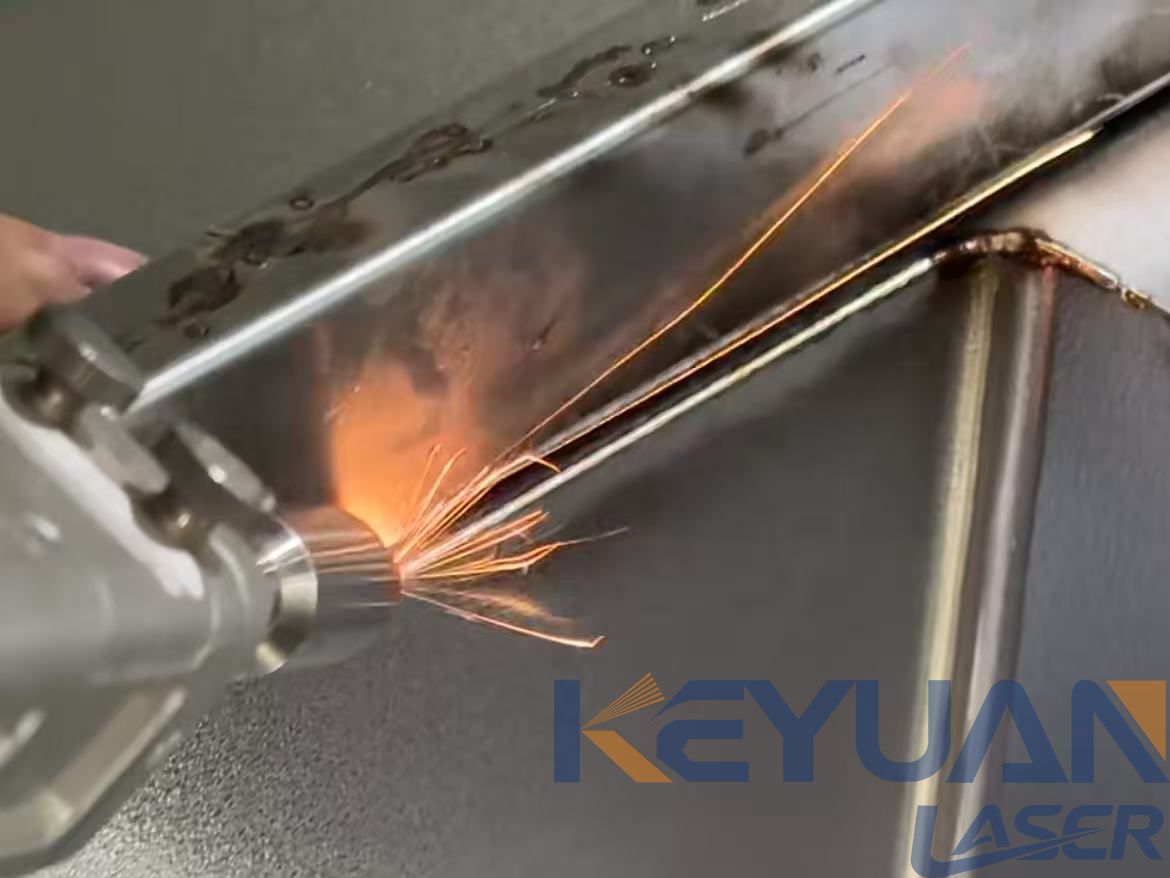
ความหนาเป็นตัวกำหนดเครื่อง
| ความหนาแผ่น | กำลังไฟต้นทางที่รักษาแนวอาร์กให้คงที่ | เชื่อมครั้งเดียวทะลุเต็มความหนา | สิ่งนี้หมายความอย่างไรกับงานของคุณ |
|---|---|---|---|
| 3 มม. และต่ำกว่า | 1500 W | โดยปกติ | เดินเดียว รวดเร็ว ความเสี่ยงที่จะทะลุต่ำ |
| 5-6 มม. | 2000 W | โดยปกติ เมื่อประกอบชิ้นงานเรียบร้อย | เวลาเชื่อมไม่ใช่คอขวดอีกต่อไป |
| 8-10 มม. | 3000 W | บ่อยครั้ง | การควบคุมช่องว่างเริ่มสำคัญกว่ากำลังไฟ |
| 12 มม.ขึ้นไป | มากกว่า 3000 W | แทบไม่เคยเชื่อมครั้งเดียวผ่าน | ต้องเชื่อมหลายรอบ และไม่ใช่งานที่ใช้เครื่องมือถือได้อีกต่อไป |
ช่วงการเชื่อมที่ระบุในเครื่องเชื่อมแบบถือส่วนใหญ่คือ 0.5 ถึง 8 มม. ตัวเลขนี้เป็นความจริง ต่ำกว่า 8 มม. กระบวนการมีความเสถียรและทำซ้ำได้ เหนือระดับนั้นคุณกำลังให้แหล่งจ่ายไฟขนาดเล็กเดียวกันดันผ่านชิ้นงานที่หนาขึ้นในขณะที่ชิ้นงานอยู่นิ่งและเย็น ซึ่งเป็นcombination ที่ยากที่สุด
A
เครื่องเชื่อมเลเซอร์
ด้วย
เครื่องเชื่อมเลเซอร์แบบไฟเบอร์
แหล่งกำเนิดสามารถเชื่อมได้หนาถึง 8 มม. ในรอบเดียวบนรอยต่อโครงสร้างทั่วไป หากหนากว่านั้น ควรวางแผนเชื่อมสองรอบและทำการเชื่อมยึดล่วงหน้า และประเมินรอบเวลาการทำงานตามความเป็นจริง
การประกอบชิ้นงานให้พอดีคือทักษะที่แท้จริง
ถ้าคุณจะจำอะไรได้เพียงอย่างเดียวจากบทความนี้ จำสิ่งนี้ไว้: งานโครงสร้างคุณภาพขึ้นอยู่กับการประกอบfit-up ไม่ใช่ตัวเครื่อง
มีสามนิสัยที่คุ้มค่าแก่การลงทุนทันที ขัดขอบของมุมที่ตัดจนเป็นเงาและได้ฉาก เพราะผิวเคลือบที่เหลือจากการตัดด้วยพลาสมาหรือเลื่อยจะเชื่อมได้ไม่ดีหากไม่ขจัดออกก่อน ตั้งระยะห่างด้วยตัวเว้นระยะแทนการกะด้วยตา เพราะระยะห่างที่ดูเหมือนพอดีจากด้านหนึ่งอาจไม่พอดีจริง และเชื่อมประทับ (tack) ก่อนลงมือเชื่อมจริง เพราะรอยเชื่อมที่เคลื่อนตัวแล้วจะแก้ไขไม่ได้
เพิ่มนิสัยที่สามซึ่งจำเป็นเฉพาะงานโครงสร้าง: จับตาดูการระบายความร้อน ปีกเสาที่หนาจะดึงความร้อนออกจากรอยเชื่อมเร็วกว่าแผ่นบาง ดังนั้นค่าตั้งที่ใช้ได้ดีกับแผ่นเสริม (gusset) อาจทำให้รอยเชื่อมที่ปีกเสาเย็นตัวเร็วเกินไป ให้ลดความเร็วในการเชื่อมหรือเชื่อมเพิ่มอีกชั้นแทนการเพิ่มกำลังไฟ
จากประสบการณ์ของเรา ร้านที่ได้ผลผลิตจริงจากเครื่องเชื่อมแบบมือถือในงานโครงสร้าง คือร้านที่วางแม่เหล็กยึดและชุดตัวเว้นระยะไว้ข้างหัวเชื่อม มันอาจดูไม่หรูหรา แต่มีค่ามากกว่าเครื่องที่ใหญ่กว่า
ใช้ได้ผลตรงไหน และควรถอยตรงไหน
เครื่องเชื่อมเลเซอร์แบบมือถือมีจุดที่เหมาะกับงานโครงสร้างในบางสถานการณ์ การซ่อมภาคสนามของเหล็กที่ติดตั้งแล้วเป็นกรณีที่ชัดเจนที่สุด: ไม่ต้องขนถังแก๊สขึ้นหอคอยบันได ไม่ต้องสกัด slag บนทางเดิน ผสมงานก็เป็นอีกกรณี เพราะหัวเชื่อมเดียวกันใช้ได้ตั้งแต่ขายึด 3 มม. ไปจนถึง cleat 6 มม. โดยไม่ต้องเปลี่ยนอะไร และยังทำได้ดีมากกับรอยเชื่อมสั้นๆ ที่ทำซ้ำบนชิ้นส่วนที่เหมือนกันหลายชิ้น ซึ่งการตั้งเครื่องครั้งเดียวแล้วเคลื่อนย้ายเหล็กจะเร็วกว่าการเคลื่อนย้ายเครื่อง
มีสี่กรณีที่เครื่องมือนี้ไม่เหมาะสม การเชื่อมชนแบบเต็มความหนาที่ต้องตรวจด้วยอัลตราโซนิกหรือการตรวจด้วยแม่เหล็ก จำเป็นต้องใช้กระบวนการที่ทำซ้ำได้และมีบันทึกพารามิเตอร์ โดยปกติจะทำบนเครื่องเฉพาะทาง รอยเชื่อมยาวต่อเนื่องในชิ้นส่วนที่รับแรงสั่นสะเทือนหรือแรงล้า จำเป็นต้องมีการรับรองกระบวนการ แผ่นเหล็กหนาเกิน 12 มม. หมายถึงงานเชื่อมหลายรอบที่ปืนเชื่อมแบบมือถือทำได้ไม่ดีนัก และโรงงานที่มีเซลล์เชื่อมแบบ机械化อยู่แล้วจะชนะการตั้งค่าแบบมือถือในด้านปริมาณเสมอ เพราะหุ่นยนต์ไม่ต้องใช้ตัวจับยึดเพื่อเชื่อมจุดเดิมซ้ำสองครั้ง
คำถามที่พบบ่อย
เครื่องเชื่อมเลเซอร์แบบมือถือเชื่อมเหล็กโครงสร้างได้หรือไม่?
ได้ สูงสุดประมาณ 8 มม. ในรอบเดียว ซึ่งครอบคลุมงานเชื่อมตัวยึด แผ่นฐาน และตัวเสริมความแข็งได้มากมาย หากหนากว่านั้นจะกลายเป็นงานสองรอบที่มีส่วนเผื่อน้อยลงมาก และคุณควรคิดราคาเวลาที่เพิ่มขึ้นไว้ในใบเสนอราคา
ความหนาเท่าใดที่ถือว่าหนาจนเกินไปสำหรับเครื่องแบบมือถือ?
ประมาณ 12 มม. ช่วงที่ระบุไว้หยุดที่ 8 มม. ด้วยเหตุผลที่ดี คือแผ่นที่หนากว่าจะดึงความร้อนออกจากรอยเชื่อมเร็วกว่าที่แหล่งความร้อนขนาดเล็กจะชดเชยได้ และอาร์กจะไม่เสถียร
การเชื่อมโครงสร้างต้องใช้ก๊าซปกคลุมหรือไม่?
ลวดเชื่อมมักมีสารปกคลุมในตัวเอง และหน่วยไนโตรเจนในตัวบนบางรุ่นครอบคลุมการเชื่อมชั้นราก ควรตรวจสอบข้อกำหนดการปกคลุมกับแบบก่อสร้างของคุณแทนการสันนิษฐาน
การเชื่อมโครงสร้างต้องมีการรับรองอะไรบ้าง?
ขึ้นอยู่กับข้อกำหนดท้องถิ่นและลูกค้าของคุณ งานโครงสร้างส่วนใหญ่ต้องมีกระบวนการที่ผ่านการรับรองและช่างเชื่อมที่ผ่านการรับรอง ไม่ว่าจะใช้กระบวนการใด เครื่องเลเซอร์ไม่ได้ยกเว้นคุณจากข้อกำหนดนั้น เพียงแต่เปลี่ยนพารามิเตอร์ที่คุณต้องรับรองเท่านั้น
เวอร์ชันสั้น
เลือก
เครื่องเชื่อมเลเซอร์แบบมือถือ
ในช่วง 2000 ถึง 3000 W และคุณจะครอบคลุมงานประกอบโครงสร้างส่วนใหญ่ในไซต์งาน ควรจัดงบประมาณสำหรับการเตรียมงานมากกว่าตัวปืนเชื่อม: การเจียรขอบ ตัวเว้นระยะ ตัวจับยึด และจุดเชื่อมประสาน เป็นสิ่งที่เปลี่ยนการเชื่อมที่รวดเร็วให้เป็นการเชื่อมที่ดี และหากงานเป็นแบบเชื่อมทะลุทั้งหมด วิกฤตต่อความล้า หรือหนากว่า 12 มม. ให้เลือกกระบวนการที่คุณสามารถรับรองคุณภาพได้ มากกว่ากระบวนการที่แค่เคลื่อนย้ายสะดวก เมื่อคุณรู้แล้วว่าข้อต่อเป็นแบบเชื่อมเข้ามุมบนเหล็กที่สะอาดและเตรียมไว้แล้ว
การเชื่อมเลเซอร์แบบระบายความร้อนด้วยน้ำ
จะรักษาอัตรากำลังได้ตลอดกะการทำงาน ซึ่งเป็นลักษณะของงานโครงสร้าง
label:
related news


ที่อยู่อีเมล:
สายด่วน:
ลิขสิทธิ์ © 2012-2026 Keyuan Laser สงวนลิขสิทธิ์