English
 Français
 Deutsch
 Русский
 Türkçe
 Español
 لالعربية
 Português
 Italiano
 ไทย

CO2 Laser Cutting Machine: What It Cuts and Which One to Buy
release time:
2026-10-12
Pick a CO2 laser cutting machine by the material you actually cut: what the tube handles well, what it ruins, and how much power and bed size you need.
A shop near us bought a 150 W machine to cut steel. It arrived, it was spotless, and it could not touch the steel at all. Three weeks later the same machine was cutting acrylic signs and earning its keep. Nothing was wrong with it. The expectation was wrong.
So start with one sentence: a CO2 laser cutting machine is a tool for soft materials, and it is very good at them. Get that right and every other decision gets easier.
Start With the Material, Not the Wattage
The useful question is not how many watts. It is what you cut, and how thick.
A CO2 tube makes light at a wavelength of 10.6 microns. Wood, acrylic, leather, fabric, paper and foam soak that light up and turn it into a cut. Bare steel and aluminium bounce it away. That one fact decides which machine you should be looking at, long before price enters the room.
Before you talk to anyone, write down your last twenty jobs. Material, thickness, and roughly how many parts. That list is worth more than any brochure. If eighteen of the twenty sit in the soft materials column, keep reading. If most of them are metal, you want a fiber machine and this article is the wrong one for you.
What a CO2 Tube Cuts Well
| Material | How it cuts | What to watch |
|---|---|---|
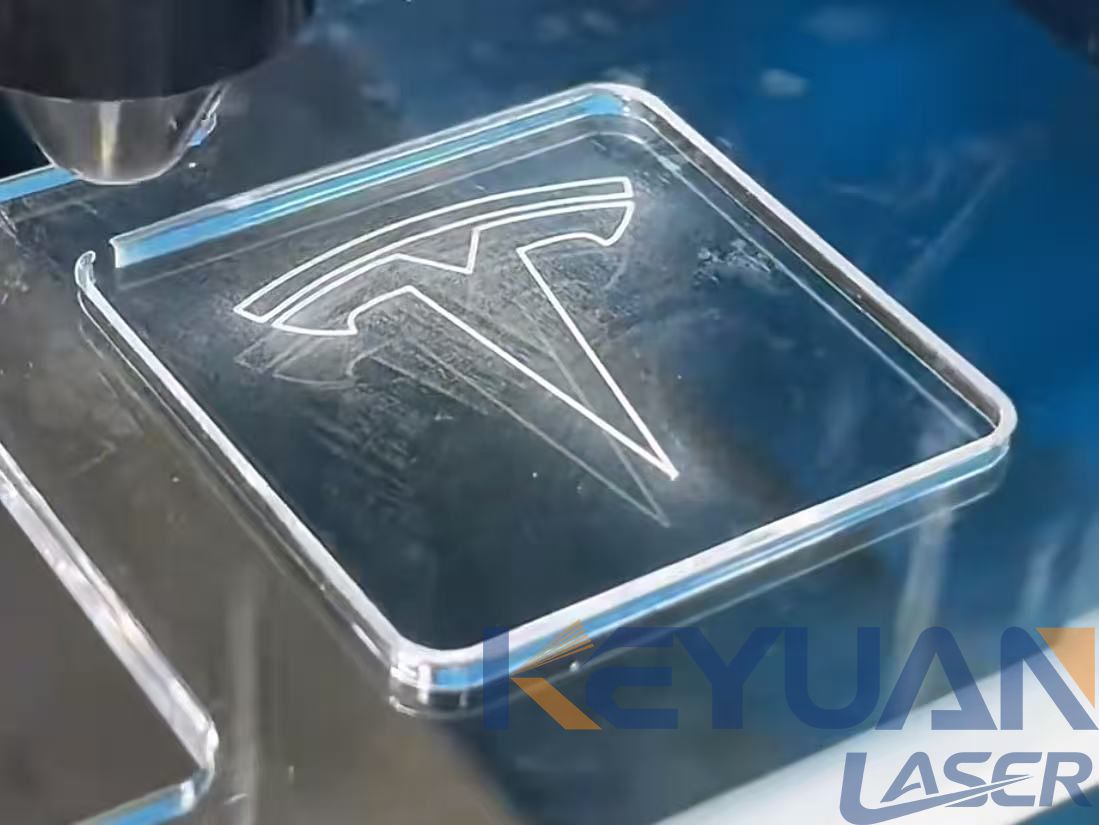
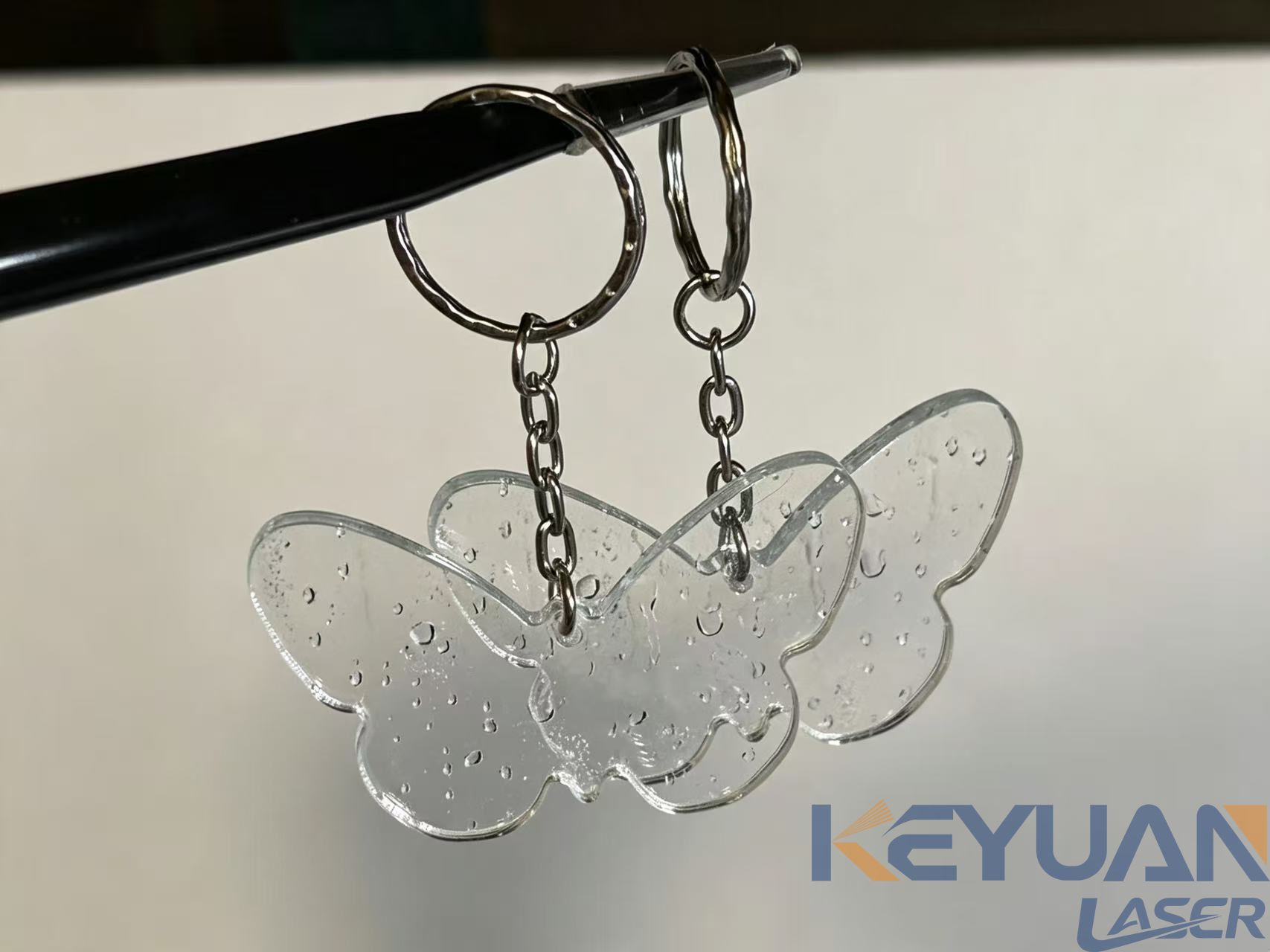
| Acrylic | Clean, and the edge comes out polished | 3 to 10 mm is the sweet spot |
| Plywood and MDF | Cuts and engraves well | Glue lines scorch; keep the smoke moving |
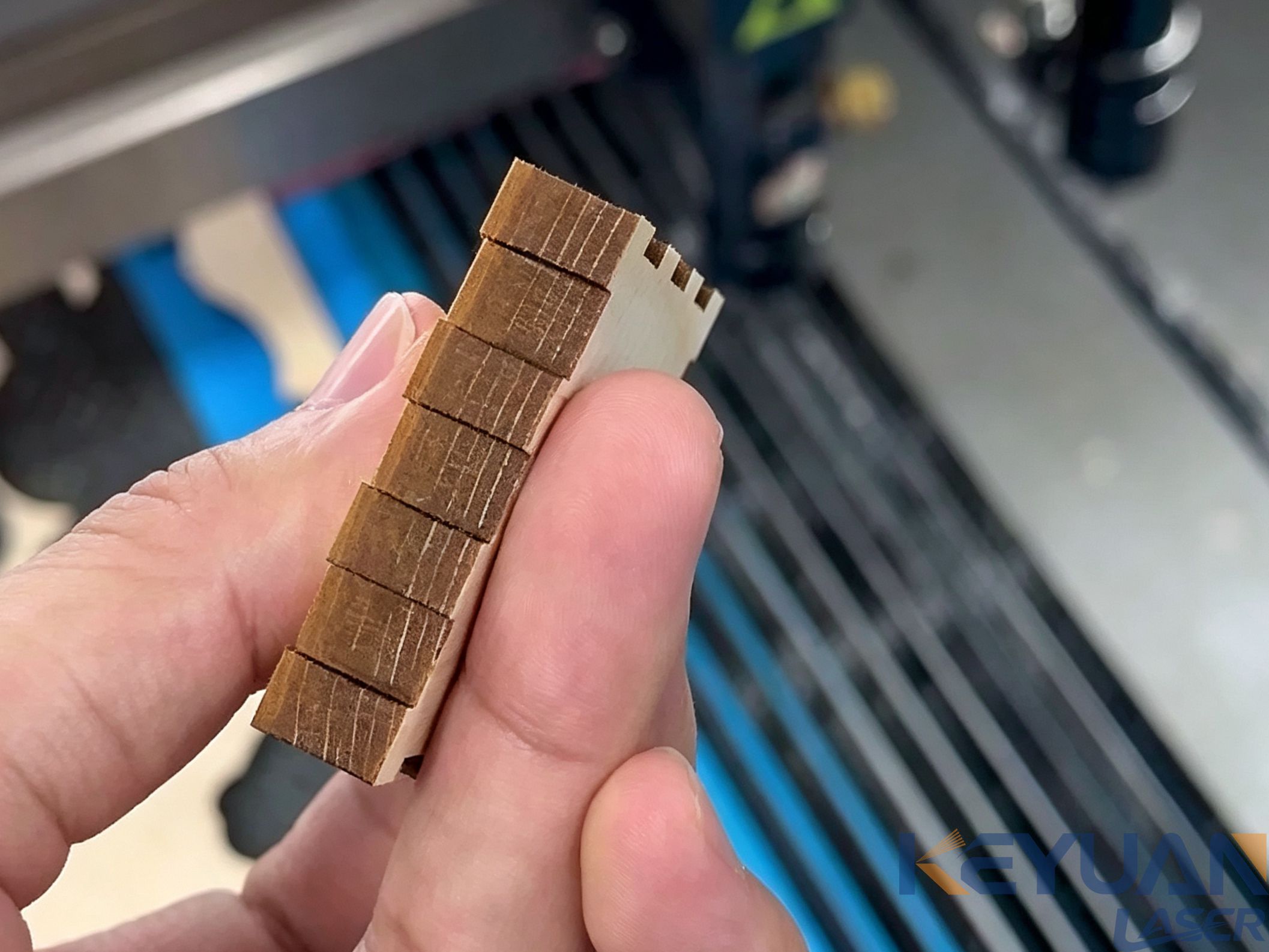
| Solid wood | Cuts up to about 10 mm | Slower and browner as it thickens |
| Leather and fabric | Fast, with sealed edges and no fraying | Test the finish on scrap first |
| Paper and card | Very fast | Real fire risk in the extraction duct |
| Foam and felt | Clean, with no melting | Thick foam needs the power turned up |
Read that table as a shopping list. If most of your work sits inside it, a CO2 machine is the right purchase. The thickness column is the one to keep an eye on, because it decides how much power you need later.
What It Ruins, and What It Cannot Cut
Three things to know before you buy.
PVC and vinyl are the first. Cutting them releases chlorine gas. It attacks the rails and mirrors as readily as it attacks the operator's lungs, and no extraction fan saves you from that. A surprising amount of cheap signage material turns out to be PVC.
Polycarbonate is the second. It does not cut so much as melt and discolour, and the edge looks burnt because it is burnt. Clear polycarbonate in particular will frustrate you for a week before you give up on it.
Metal is the third. It will not cut, at any power. If your work is sheet metal you want a fiber machine, not a bigger tube.
There is a quieter fourth one. Paper and card cut beautifully, and that is exactly why they start fires. Thin dry stock, a slow cut and a dusty extraction duct is how laser fires begin. Clean the duct.
How Much Power You Need
| Power | Comfortable up to | Who it suits |
|---|---|---|
| 60 to 80 W | 3 to 5 mm acrylic, 5 mm ply | Sign shops, engraving, first machine |
| 100 W | 8 to 10 mm acrylic, 10 mm ply | General job shops with mixed work |
| 130 to 150 W | 15 to 20 mm acrylic, deeper wood | Production cutting, thicker stock |
| 180 W and up | 25 mm acrylic and above | High volume panel cutting |
Extra power buys speed, not new materials. A 60 W machine and a 150 W machine cut the same list, one just gets there faster.
What that means for you: if you cut 3 mm acrylic all day, 60 to 80 W is enough and the saving pays for a second machine sooner. If you are quoting 15 mm acrylic, buy the power on day one, because a slow machine on thick stock is how you lose a contract you had already won.
Bed Size, Tube Type and the Extras That Bite
Bed size decides which jobs you can say yes to. A 600 x 400 mm bed handles plaques, small parts and engraving. A 1300 x 900 mm bed handles full cabinet panels and is the common trade size. If you cut fabric from the roll rather than from flat sheets, you want a conveyor bed instead, which is the difference between a flatbed sign machine and a fabric laser cutting machine.
A compact laser engraving cutting machine costs less, takes less floor space and cuts thin stock just as cleanly. Shops that start small and later add a second unit for bigger sheets usually pick from the small laser cutting and engraving rigs range. Fabric shops that grow into roll work tend to move to fabric cutting systems rather than buying another flatbed.
Then the tube itself. A glass tube is cheap to replace, and that is its whole argument. An RF tube holds its power better at low settings, lasts several times longer and costs several times more. For one shift a day, glass is usually the sensible place to start. If the machine runs two shifts, the arithmetic flips.
Budget for the boring extras as well: a chiller or air assist, a proper extraction fan, and a spare lens. Buyers remember the machine price and forget the extraction, then wonder why the head is filthy after a month.
FAQ
Can a CO2 laser cut metal?
No. The 10.6 micron wavelength reflects off bare metal instead of cutting it. If metal is your main material, a fiber laser is the right tool and a bigger CO2 tube will not change that.
Is 60 W enough for a small shop?
For signs, engraving and acrylic up to about 5 mm, yes. You will meet the limit when you start cutting 10 mm stock or running production volumes, and by then the work pays for the upgrade.
Why can't I cut PVC or vinyl?
Because the cut releases chlorine gas, which attacks the machine's metal parts and the operator's airways. Put PVC, vinyl and polycarbonate on a do-not-cut list and post it beside the machine.
Glass tube or RF tube?
Glass is cheaper to buy and to replace. RF lasts longer and holds its power better at low settings. For one shift a day, start on glass and treat the tube as a consumable.
The Short Version
A CO2 machine is for wood, acrylic, leather, fabric, paper and foam, and it is excellent at all of them. Match the power to your usual thickness and speed target, match the bed to your usual sheet size, and keep PVC and metal away from it. Do that and the machine earns its floor space for years.
label:
related news


E-mail address:
Hotline:
Copyright © 2012-2026 Keyuan Laser All rights reserved